


Top Mindset Coaching Programs – Expert Comparison 2025


Finding the right support to improve your wellbeing or professional skills can make a real difference to daily life. From structured coaching programmes to therapy with a personal touch and formal training that leads to recognised qualifications, the choices are varied and sometimes surprising. Each option brings its own approach, whether you want guidance through change, practical strategies for better mental health or a pathway to becoming a certified coach. If you are uncertain which route could suit your goals or lifestyle, exploring their unique features and benefits can help you decide what might work best for you.
Table of Contents
Tom Ryder Wellbeing
At a Glance
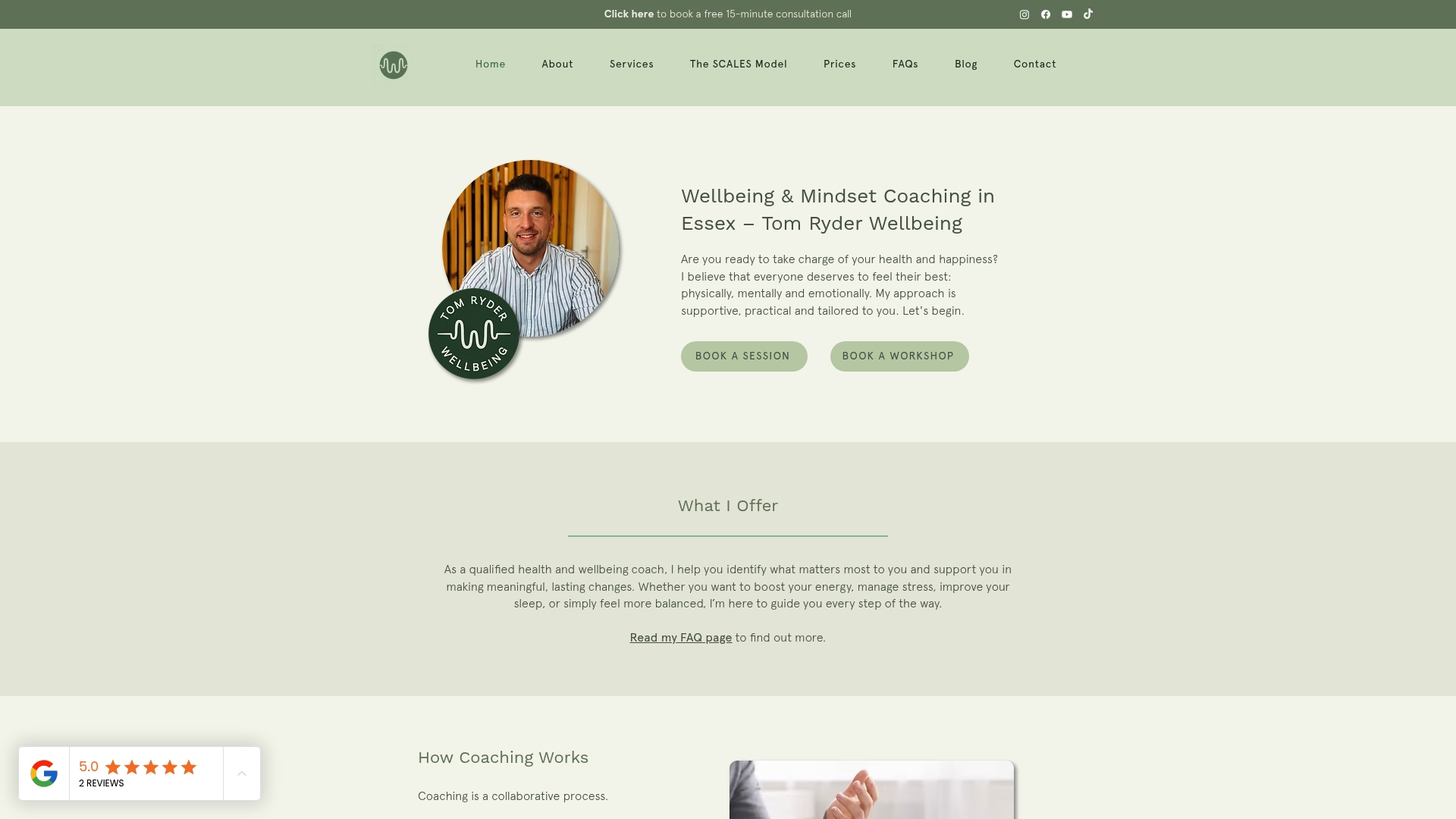
Tom Ryder Wellbeing delivers practical, goal-orientated coaching that helps people restore balance across daily life. The service combines one-to-one sessions, a structured eight-session SCALES programme and ongoing community support, making it ideal for anyone who wants measurable change rather than vague reassurance. It’s flexible — both face-to-face and online — and built for sustained results. A few trade-offs exist, but they are conscious design choices aimed at quality and depth.
Core Features
The core offer centres on personalised 60-minute coaching, available face-to-face and via Zoom, which ensures accessibility for clients across the UK. The structured eight-session SCALES programme provides a clear framework to improve Sleep, Creative activity, Physical Activity, Listening to internal cues, Earth grounding and Social connection. Tom Ryder Wellbeing also runs group workshops for organisations, schools and community groups, and offers a monthly community membership that includes resources, podcasts and follow-up calls to maintain momentum between sessions.
Pros
Highly personalised coaching: Each session is tailored to your goals, so you work on what matters most rather than a one-size-fits-all plan.
Flexible delivery: You can choose in-person or online sessions, which makes coaching compatible with shift work, study timetables or family life.
Structured long-term programme: The eight-session SCALES programme gives a step-by-step roadmap to sustainable change rather than quick fixes.
Group and organisational options: Workshops adapt the same practical tools for teams, schools and community groups, improving resilience at scale.
Ongoing community support: Monthly membership keeps you connected to resources, encouragement and brief follow-ups so progress is maintained.
Who It’s For
Tom Ryder Wellbeing is for adults and groups ready to invest time and effort in meaningful change. You’ll benefit most if you struggle with stress, low energy, sleep disruption, motivation or the aftermath of life changes, and prefer a coaching approach that is structured and practical. Organisations, schools and community groups seeking accessible wellbeing sessions will find the offering directly relevant.
Unique Value Proposition
What sets Tom Ryder Wellbeing apart is the combination of a clearly defined SCALES framework with hands-on, personalised coaching and ongoing community continuity. Unlike many short-term interventions, this service emphasises measurable routines and accountability: 60-minute sessions focus on actionable steps, the eight-session programme maps progress across six life domains, and the membership prevents relapse by offering ongoing touchpoints. The result is a system designed not merely to instruct but to embed new habits and resilience. This emphasis on sustained change — rather than episodic advice — makes it especially effective for professionals, creatives and young adults who need practical tools they can use immediately.
Real World Use Case
A client signs up for the eight-session SCALES programme to tackle chronic low energy and sleep problems. Over eight weeks they establish small, achievable routines, learn creative outlets for mood regulation, and access membership resources for continued support. The combination of one-to-one planning and group-style resources sustains progress beyond the programme.
Pricing
£60 per face-to-face session, £54 per online session, £400 for the eight-session SCALES programme. Group workshop prices vary from £120 to £250. Community membership is £25 per month. These prices reflect a focus on quality and ongoing support rather than one-off quick fixes.
Website: https://tomryderwellbeing.co.uk
The Wellbeing Project

At a Glance
The Wellbeing Project is a workplace wellbeing consultancy that specialises in building workforce resilience through tailored training, coaching and evidence-based frameworks. It offers a holistic mix of workshops, leadership development and psychometric assessment to support organisations both online and in person. Bottom line: it is a credible, flexible partner for organisations wanting measurable wellbeing outcomes, though prospective clients will need a conversation to uncover exact costs and delivery detail.
Core Features
The Wellbeing Project combines consultancy with practical delivery: tailored wellbeing programmes (training, workshops and webinars), leadership development, resilience training and employee wellbeing champion training. It supplements these interventions with psychometric assessment using the WRAW tool and produces insight reports and research articles to inform strategy. Delivery is both online and in person, allowing the organisation to adapt formats to client culture and scale.
Pros
Evidence-based approach: The consultancy explicitly uses evidence-based approaches and frameworks, which helps ensure interventions are grounded in proven principles.
Customisable programmes: Programmes are tailored to align with client culture and objectives, giving each organisation a bespoke plan rather than a one-size-fits-all solution.
International capability: The Wellbeing Project supports international clients, indicating experience working across different organisational contexts and time zones.
Hybrid delivery options: A combination of online and in-person delivery makes it easier to reach dispersed workforces and to blend formats for different learning styles.
Positive client feedback: The available information cites high client satisfaction, suggesting the consultancy delivers outcomes that clients value.
Robust measurement tool: The inclusion of the WRAW psychometric tool offers a structured way to measure resilience and track change over time.
Cons
Marketing-led information: Much of the publicly available content is promotional, and specific case studies or detailed programme outlines are not readily accessible.
No public pricing: There is no publicly listed pricing or clear cost structure, so budgeting requires direct enquiry and a bespoke quote.
Need for consultation: To understand the full scope, tailoring options and measurable outcomes, organisations will likely need to engage in direct consultation rather than rely on web content.
Who It’s For
The Wellbeing Project is best suited to organisations seeking comprehensive, evidence-based workplace wellbeing and resilience solutions that can be adapted to their culture. It fits HR teams, senior leaders and wellbeing leads who want measurable interventions for managers and employees and who can commission bespoke programmes rather than off-the-shelf packages.
Unique Value Proposition
The Wellbeing Project differentiates itself by marrying tailored, consultancy-led strategy with hands-on delivery and a psychometric backbone (WRAW) to measure resilience. That combination supports organisations seeking both strategic direction and operational training with measurable outcomes.
Real World Use Case
A large organisation implemented the consultancy’s workshops and resilience training as part of a broader mental health strategy and reported improved employee engagement, reduced stress levels and a measurable return on investment of 5.3:1, illustrating how strategic investment can deliver both wellbeing and financial returns.
Pricing
Pricing is not specified publicly; tailored quotes are likely provided upon enquiry, so prospective clients should contact The Wellbeing Project for a scoped proposal and cost estimate.
Website: https://thewellbeingproject.co.uk
The Coaching Academy
At a Glance
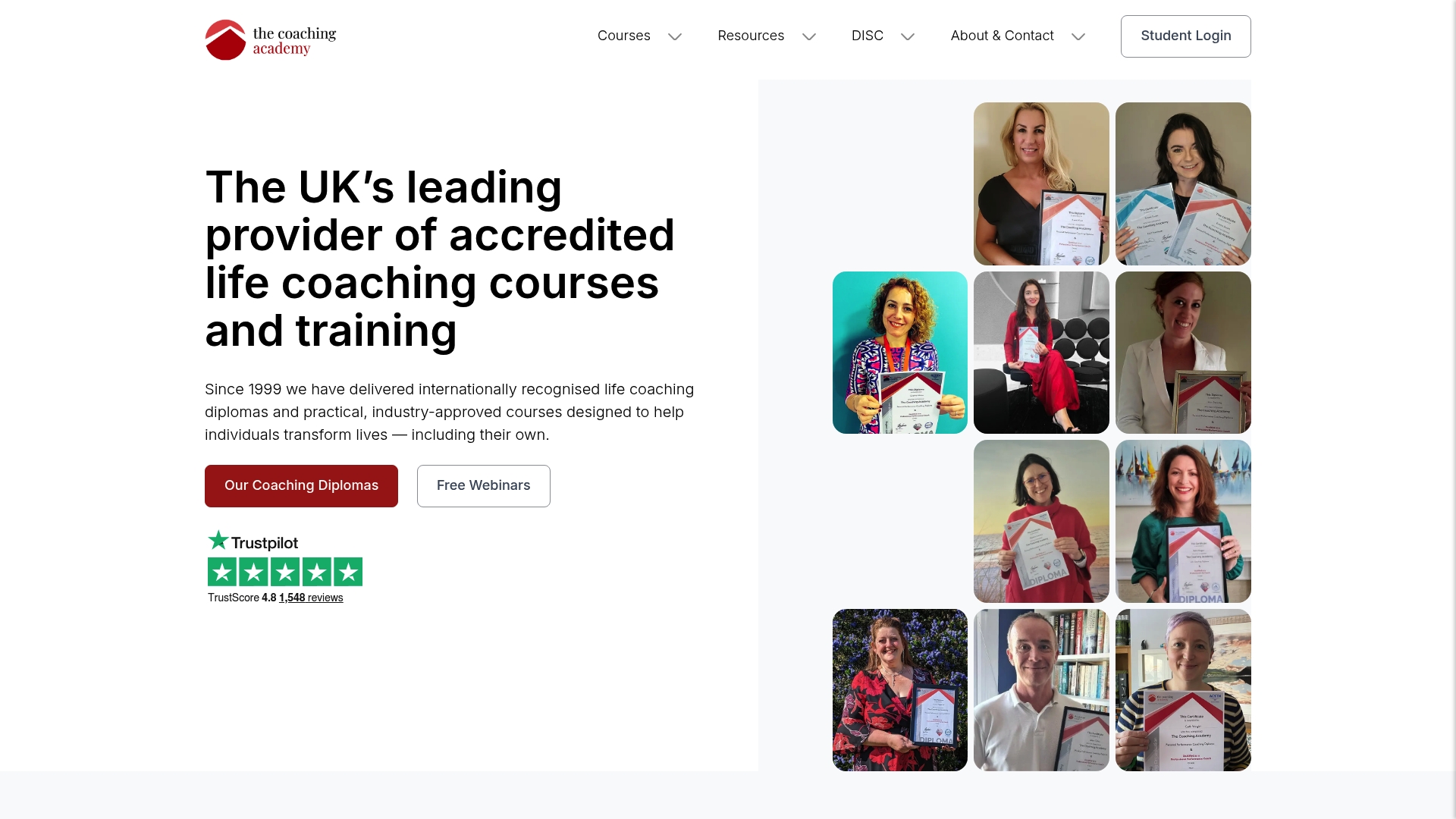
The Coaching Academy is the UK’s long-standing provider of accredited life-coaching diplomas, delivering practical and flexible training since 1999. Its strength lies in industry-recognised accreditations, hands-on practice sessions and a large alumni community that supports ongoing development. If you want formal credentials and real coaching practice, it’s a dependable choice; if you need transparent pricing or precise course lengths up front, expect to do some digging.
Core Features
The Coaching Academy offers accredited life-coaching courses and diplomas backed by recognised organisations such as ICF and AC. Training is available through flexible online and live learning options and combines theoretical modules with practical, supervised practise coaching sessions. Students gain access to expert trainers and mentors, regular free webinars, a comprehensive online learning platform with progress tracking, and community-building opportunities with peers and alumni. Specialised programmes in NLP and DISC personality profiling are also part of the curriculum.
Pros
Industry-Recognised Accreditation: The Academy’s courses carry accreditation from major coaching organisations, which helps graduates meet professional standards and credibility in the field.
Flexible Study Options: Online and live learning formats accommodate a variety of schedules, making it feasible for working professionals to study alongside employment.
Practical, Hands-On Training: Regular practice coaching sessions and mentor guidance mean students develop real coaching skills, not just theory.
Continued Support Post-Completion: Graduates retain access to resources and a community that can support CPD and referral opportunities after qualification.
Large Alumni Network: With over 14,000 graduates worldwide, the network provides useful peer contact, potential partnerships and a sense of professional belonging.
Cons
Course Information Focus: The public information emphasises their own diplomas and webinars, offering limited detail on alternative certification routes or cross-recognition with other providers.
Potential Cost Concerns: Diploma programmes can be extensive and may represent a significant investment; pricing is not clearly published on the site, which complicates budgeting.
Lack of Specific Timelines: Details on course duration, module length and exact pricing are not provided, so prospective students must request bespoke information before enrolling.
Who It’s For
This provider suits individuals who want to become certified life coaches or existing practitioners seeking formal accreditation and practical skill development. It is also appropriate for corporate or executive coaches, educational staff and childcare professionals who require recognised qualifications and flexible study options. If you value mentor support and community as much as a certificate, this is a strong match.
Unique Value Proposition
The Coaching Academy’s unique value lies in its combination of long-standing experience, industry accreditations and a large, supportive alumni network. That mix delivers credibility, practical learning and ongoing professional connection—essential if you intend to build a coaching practice with recognised qualifications.
Real World Use Case
Imagine someone transitioning careers into coaching: they complete an accredited diploma, attend webinars to sharpen specialisms such as NLP, practise with peers in supervised sessions, and tap the alumni network for referrals and support. By the end they have both credential and capability.
Pricing
Pricing details are not specified on the webpage; prospective students should contact the Academy directly for current fees and any payment-plan options.
Website: https://the-coaching-academy.com
The Mindset Coach
At a Glance
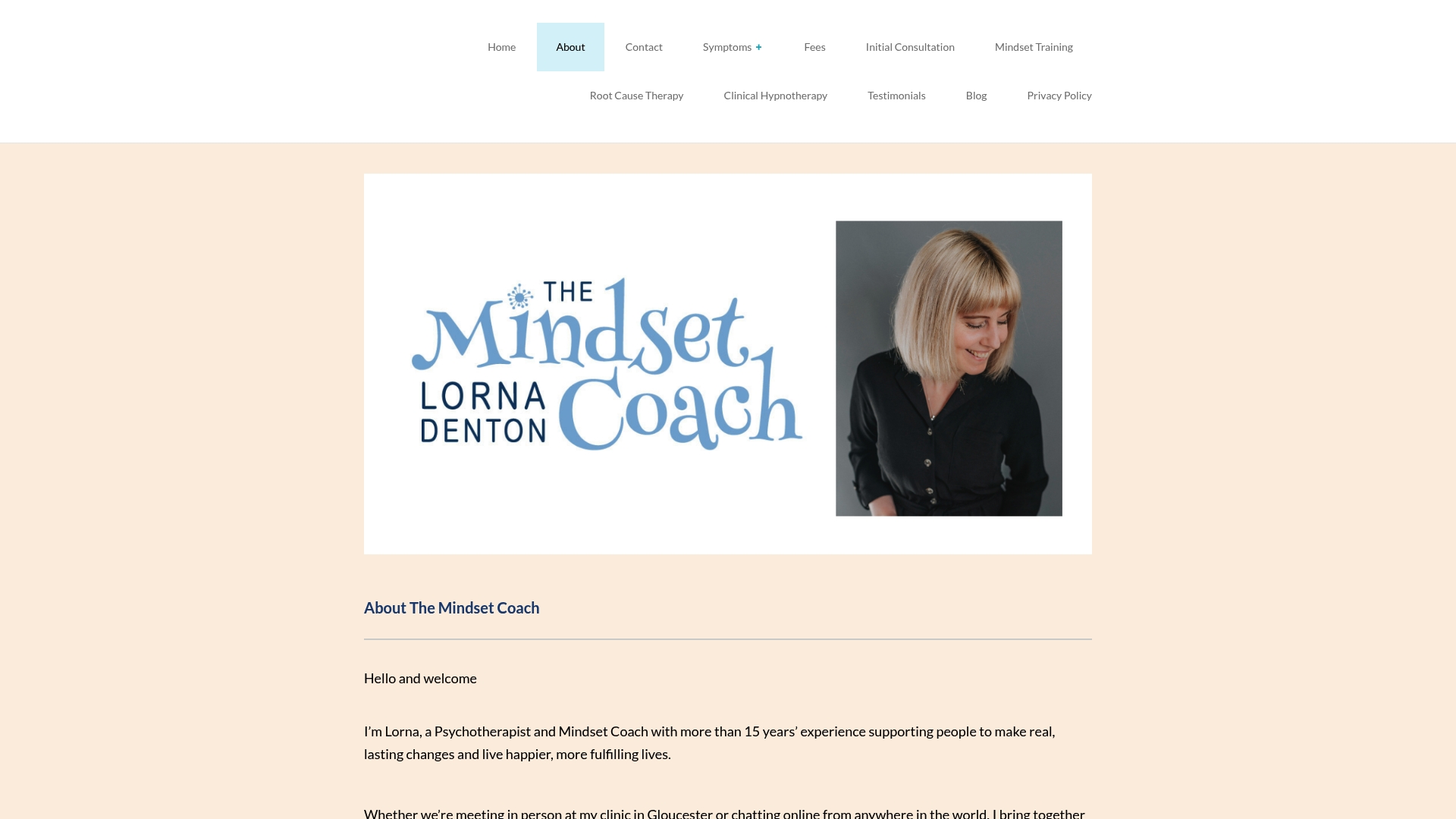
The Mindset Coach is a seasoned psychotherapist and mindset coach offering personalised, evidence-based support for people wrestling with anxiety, OCD, depression and low mood. With over 15 years of clinical experience and lived experience, Lorna combines practical techniques with genuine empathy to help clients build emotional resilience. Sessions are available both in-person and online, making the service accessible and flexible. If you value a compassionate, tailored approach rather than a one-size-fits-all programme, this service is worth considering.
Core Features
The Mindset Coach delivers one-to-one therapy and coaching that is adapted to each client’s needs, drawing on established therapeutic techniques and the founder’s lived experience. The offering includes personalised sessions designed to increase emotional resilience and develop a more positive mindset, delivered in a judgement-free space. Clients can choose in-person appointments or online sessions, enabling support for those who need remote access. The emphasis is collaborative: goals, strategies and pace are agreed with the client rather than imposed.
Pros
Extensive Professional Experience: Lorna brings more than 15 years of psychotherapeutic practice, which provides depth of clinical knowledge and nuanced intervention strategies.
Personalised, Adaptable Approach: Each session is tailored to the individual’s feedback and progress, ensuring practical steps that fit real life rather than abstract theory.
Flexible Delivery Modes: The availability of both in-person and online sessions increases accessibility for clients across different locations and life circumstances.
Deep Empathy Rooted in Lived Experience: The founder’s personal experience with anxiety, OCD and depression enhances empathy and helps clients feel genuinely understood.
Positive Client Feedback: Testimonials highlight compassionate support and effective outcomes, indicating consistent real-world impact.
Cons
Limited Public Detail on Packages: The website does not outline specific coaching packages or a clear session structure, which makes it harder to compare offerings at a glance.
Pricing Not Readily Available: Fees are not openly displayed on the homepage, so prospective clients must contact the service to obtain pricing information.
Unclear Supplementary Resources: There is limited information about additional materials or group programmes, so it is unclear whether ongoing resources are provided beyond sessions.
Who It’s For
This service suits individuals experiencing anxiety, depression, OCD or relationship-related difficulties who prefer a compassionate, tailor-made approach. It is particularly relevant for people who have tried standard therapy and want a coach-therapist blend focused on practical change, or for those who need flexible access via online sessions.
Unique Value Proposition
The Mindset Coach combines long-standing clinical expertise with lived experience, offering a blend of evidence-based techniques and down-to-earth empathy. That combination creates a safe, collaborative space where clients can test practical strategies and build sustainable emotional resilience.
Real World Use Case
A client overwhelmed by social anxiety and low self-esteem would work with Lorna to unpack unhelpful thought patterns, practise manageable behavioural steps in real life, and build confidence through repeated, supported experiments. Over months, small wins compound into noticeable improvements in social engagement and self-belief.
Pricing
Pricing is not specified on the website; an initial consultation is available and may be free, but fees require direct enquiry.
Website: https://yourmindsetcoach.co.uk
The Mindset Clinic
At a Glance
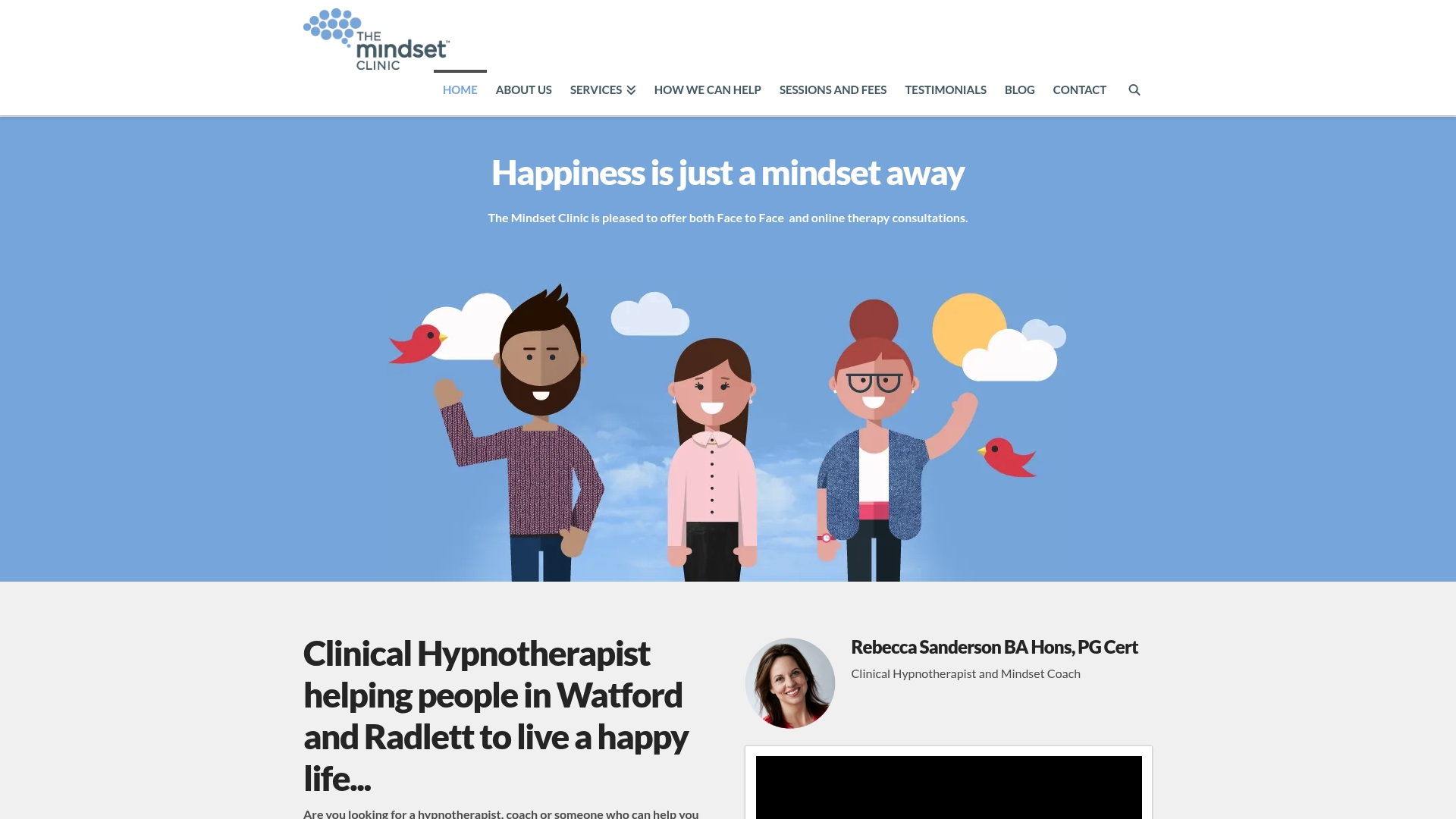
The Mindset Clinic provides a focused, solution-orientated blend of clinical hypnotherapy, NLP, mindfulness, CBT and coaching delivered both face-to-face and online. It’s best suited to people who want practical tools rather than long-term psychoanalysis, and who are prepared to take an active role in change. The clinic’s bespoke treatment plans and broad therapeutic toolbox make it flexible for issues such as anxiety, depression, phobias and habit change. Results vary by individual, so realistic expectations and commitment matter.
Core Features
The clinic’s core offerings centre on a mix of evidence-informed and experiential approaches: Clinical Hypnotherapy for fast-tracked access to subconscious patterns, NLP to reframe unhelpful thinking, Mindfulness to regulate attention and stress, and Cognitive Behavioural Therapy to restructure thoughts and behaviours. Complementary solution-focused therapy and time line therapy are used for goal-directed personal development and specific mental health concerns. Sessions are available in person or online, allowing continuity of care for those with busy lives or mobility constraints.
Pros
Personalised treatment plans: Each programme is tailored to the individual’s needs, ensuring therapy addresses the precise patterns that are causing distress.
Multiple therapeutic modalities: Combining hypnotherapy, NLP, mindfulness and CBT gives clients varied tools, which can accelerate progress when one approach alone has been insufficient.
Flexible access: Availability of both face-to-face and online consultations makes the service accessible whether you prefer in-person contact or remote sessions.
Specialist focus areas: The clinic explicitly targets common and crippling problems such as depression, stress and anxiety, offering relevant techniques rather than a one-size-fits-all approach.
Empowering stance: Emphasis on practical change and client empowerment helps people leave with actionable strategies rather than only insight.
Cons
Variable outcomes: The clinic acknowledges that results differ between clients, meaning some people may see rapid improvement while others need longer or different interventions.
Requires active engagement: Therapies depend on the client’s willingness to practise techniques and make behavioural changes outside sessions, so those seeking passive treatment may be disappointed.
Not a substitute for medical care: The service is not intended to replace medical treatment for serious conditions, so clients with complex psychiatric or medical needs will still require specialist clinical oversight.
Who It’s For
The Mindset Clinic suits adults who want a practical, time-focused approach to mental health and personal development—people who have tried counselling or need alternatives to medication, creatives and professionals under pressure, and anyone open to structured techniques like hypnotherapy or NLP. If you want direct strategies to manage anxiety, stop smoking, address phobias or build confidence, and you are ready to engage actively, this clinic is a sensible option.
Unique Value Proposition
Rather than lengthy analysis, The Mindset Clinic offers a bespoke, solution-focused pathway that combines rapid-access techniques like hypnotherapy with cognitive tools for sustainable change. That blend makes it particularly useful for clients who want measurable shifts in mood, habits and confidence within a pragmatic framework.
Real World Use Case
A client with persistent anxiety who has found little benefit from talk therapy might book the free 30-minute consultation, then pursue a tailored plan combining mindfulness practice, CBT strategies and hypnotherapy sessions to reduce panic symptoms and improve sleep. Over a few weeks they could experience clearer thinking and better day-to-day functioning.
Pricing
The clinic offers a free 30-minute consultation; specific session fees are not listed on the website and are likely provided after the initial consultation.
Website: https://themindsetclinic.co.uk
Wellbeing and Coaching Services Comparison
This table summarizes key features, pros, cons, and pricing for various wellbeing and coaching services, making it easier to compare and choose the right solution.
Service Name | Key Features | Pros | Cons | Pricing |
Tom Ryder Wellbeing | One-to-one coaching, SCALES programme, community support | Personalized coaching, flexible delivery | Conscious trade-offs, focused on quality | £60/session (face-to-face), £54 (online), £400/programme |
The Wellbeing Project | Tailored programmes, leadership development, WRAW assessments | Evidence-based, customisable | No public pricing, requires consultation | Pricing on enquiry |
The Coaching Academy | Accredited courses, flexible learning, alumni network | Recognised accreditation, hands-on training | Limited course info, unclear pricing | Pricing on enquiry |
The Mindset Coach | One-to-one therapy, personalized sessions | Extensive experience, empathetic approach | Limited package details, pricing unavailable | Pricing via contact |
The Mindset Clinic | Hypnotherapy, NLP, CBT | Personalised plans, multiple modalities | Variable outcomes, active engagement needed | Free consultation, pricing on enquiry |
Achieve Real Change with Practical Mindset Coaching from Tom Ryder Wellbeing
The article highlights the challenges many people face when seeking effective mindset coaching programmes—feeling stuck, overwhelmed, or unsure where to start despite good intentions. If you recognise those struggles, including low energy, stress, or difficulty maintaining healthy routines, the SCALES Model at Tom Ryder Wellbeing offers a structured yet flexible solution. By focusing on Sleep, Creativity, Activity, Listening, Earth grounding, and Social connection, this practical framework helps you break big problems into manageable steps.
Why struggle with vague advice when you can have coaching rooted in clarity, lived experience, and real tools for resilience? Tom Ryder’s approach is ideal for professionals, creatives, and young adults ready to rebuild balance and confidence across life domains. Explore 1:1 Health and Wellbeing Coaching or the focused Eight-session SCALES Programme to start turning intentions into sustainable habits. Take the first step today with a free 15-minute consultation and discover how small changes add up to meaningful transformation.
Frequently Asked Questions
What should I consider when choosing a mindset coaching programme?
Choosing a mindset coaching programme requires considering your specific goals, the coaching method used, and the qualifications of the coach. Evaluate what you want to achieve, whether it’s building resilience or overcoming anxiety, and contact potential providers to discuss their approach and success stories.
How long does a typical mindset coaching programme take?
Most mindset coaching programmes vary in length, often ranging from a few weeks to several months depending on the structure. Look for programmes that provide a timeline and commitment level that align with your goals, such as an eight-session plan completed within two months.
Are there any prerequisites for enrolling in a mindset coaching programme?
Typically, there are no strict prerequisites for enrolling in a mindset coaching programme, but being clear about your personal goals can be beneficial. Prepare by reflecting on what specifically you want to work on, such as developing a positive mindset or enhancing emotional resilience.
How do I measure my progress during a mindset coaching programme?
Progress can often be tracked through self-assessment tools, regular feedback from your coach, and personal reflections on your development. Set measurable goals at the outset and review them regularly, aiming for noticeable improvements within six to eight weeks.
Is online mindset coaching as effective as in-person sessions?
Yes, online mindset coaching can be just as effective as in-person sessions, particularly if the coach uses engaging techniques and provides personalised support. Consider opting for a programme that offers both formats so you can choose what works best for your schedule and comfort level.
What can I expect in the first session of a mindset coaching programme?
In the first session, you can expect to discuss your goals, experiences, and any challenges you face with your coach. Be prepared to engage in an open dialogue and establish a plan for your coaching journey, setting the stage for the changes you wish to make.
Recommended
Comments