


Active Wellbeing: Building Resilience for Creatives


Over eight in ten British creatives report experiencing regular stress and burnout in their professional lives. In the competitive world of music and creative arts, emotional demands and relentless schedules can leave even the most passionate individuals feeling stretched thin. Understanding active wellbeing gives British musicians and creative professionals practical tools to manage stress, rebuild balance, and develop lasting mental resilience.
Table of Contents
Key Takeaways
Point | Details |
Holistic Approach | Active wellbeing encompasses physical, mental, and emotional dimensions, encouraging a balanced and comprehensive personal development. |
Personalisation is Key | Tailoring active wellbeing strategies to individual needs fosters better engagement and effectiveness in improving mental health. |
Integration of Practices | Combining movement, creative expression, and mindful reflection enhances overall wellbeing and supports emotional resilience. |
Awareness of Risks | Recognising common pitfalls, such as oversimplification and performance pressure, is crucial for fostering sustainable wellbeing practices. |
Defining Active Wellbeing and Its Principles
Active wellbeing represents a dynamic approach to personal health that goes beyond traditional static wellness models. It focuses on intentional engagement with physical, mental, and emotional practices that support ongoing personal development. Rather than viewing wellbeing as a fixed state, this perspective recognises it as a continual process of growth, adaptation, and self-awareness.
At its core, active wellbeing integrates multiple dimensions of human experience. Comprehensive wellbeing research demonstrates that it encompasses more than just physical health. It involves feeling good, functioning effectively, and maintaining a sense of purpose even during challenging circumstances. The principles include proactive self-care, emotional resilience, meaningful social connections, and consistent personal development.
The six fundamental principles of active wellbeing for creatives include:
Intentional Movement: Regular physical activity that supports mental and physical energy
Creative Expression: Using artistic practices as emotional processing and stress management techniques
Mindful Awareness: Developing skills to recognise and respond to internal emotional signals
Adaptive Routines: Creating flexible personal systems that support consistent wellbeing
Social Connection: Building supportive relationships that nurture personal growth
Continuous Learning: Approaching personal development as an ongoing, iterative process
Pro tip: Start tracking your daily energy levels and emotional states to understand your unique wellbeing patterns and identify which interventions work best for you.
Distinct Types of Active Wellbeing Approaches
Active wellbeing encompasses diverse approaches that recognise the complex, multifaceted nature of human health and personal development. Government research on wellbeing interventions highlights that effective strategies must address multiple dimensions of human experience, including physical, psychological, social, and environmental factors.
These approaches can be broadly categorised into several distinct types, each offering unique perspectives and methodologies for supporting individual growth and resilience:
Holistic Wellness Approach
Integrates physical, mental, emotional, and spiritual dimensions
Emphasises interconnectedness of different life domains
Focuses on balanced, comprehensive personal development
Performance-Oriented Approach
Targets specific skill development and personal effectiveness
Utilises goal-setting, performance tracking, and targeted interventions
Common in professional and creative environments
Mindfulness-Based Approach
Centres on present-moment awareness and emotional regulation
Incorporates meditation, breathing techniques, and reflective practices
Supports stress reduction and enhanced self-understanding
Social-Ecological Approach
Recognises the impact of social networks and environmental contexts
Emphasises community connections and systemic support structures
Promotes wellbeing through relationship-building and contextual awareness
Adaptive Resilience Model
Focuses on developing flexibility and emotional strength
Teaches strategies for navigating change and managing challenges
Cultivates psychological resources for personal and professional adaptation
Pro tip: Experiment with different active wellbeing approaches to discover which combination resonates most effectively with your personal needs and creative lifestyle.
Here’s a comparison of distinct active wellbeing approaches and their primary focus areas:
Approach | Key Focus | Ideal For | Example Methodologies |
Holistic Wellness | All life dimensions | Individuals seeking balance | Yoga, integrative therapy |
Performance-Oriented | Goal achievement | Professionals, creatives | Skills training, peer review |
Mindfulness-Based | Emotional regulation | Those facing stress | Meditation, journaling |
Social-Ecological | Community & context | Groups, networks | Group workshops, community events |
Adaptive Resilience | Flexibility & coping | Anyone facing change | Resilience training, coaching |
How Active Wellbeing Supports Mental Health
Physical activity’s profound impact on mental health demonstrates how intentional movement and lifestyle practices can significantly enhance psychological resilience. For creatives experiencing chronic stress, active wellbeing offers a structured approach to managing mental health challenges by addressing underlying emotional and physiological needs.
Active wellbeing supports mental health through several key mechanisms:
Neurochemical Regulation
Stimulates production of endorphins and serotonin
Reduces stress hormones like cortisol
Improves overall mood and emotional stability
Cognitive Performance Enhancement
Increases mental clarity and focus
Reduces symptoms of anxiety and depression
Supports neuroplasticity and adaptive thinking
Emotional Processing
Provides healthy coping mechanisms
Creates space for self-reflection
Builds emotional intelligence and self-awareness
Mental health professionals recognise that active wellbeing is not just about managing symptoms, but creating a comprehensive framework for psychological strength. By integrating physical, emotional, and cognitive strategies, individuals can develop more robust mental resilience and navigate complex personal and professional challenges more effectively.
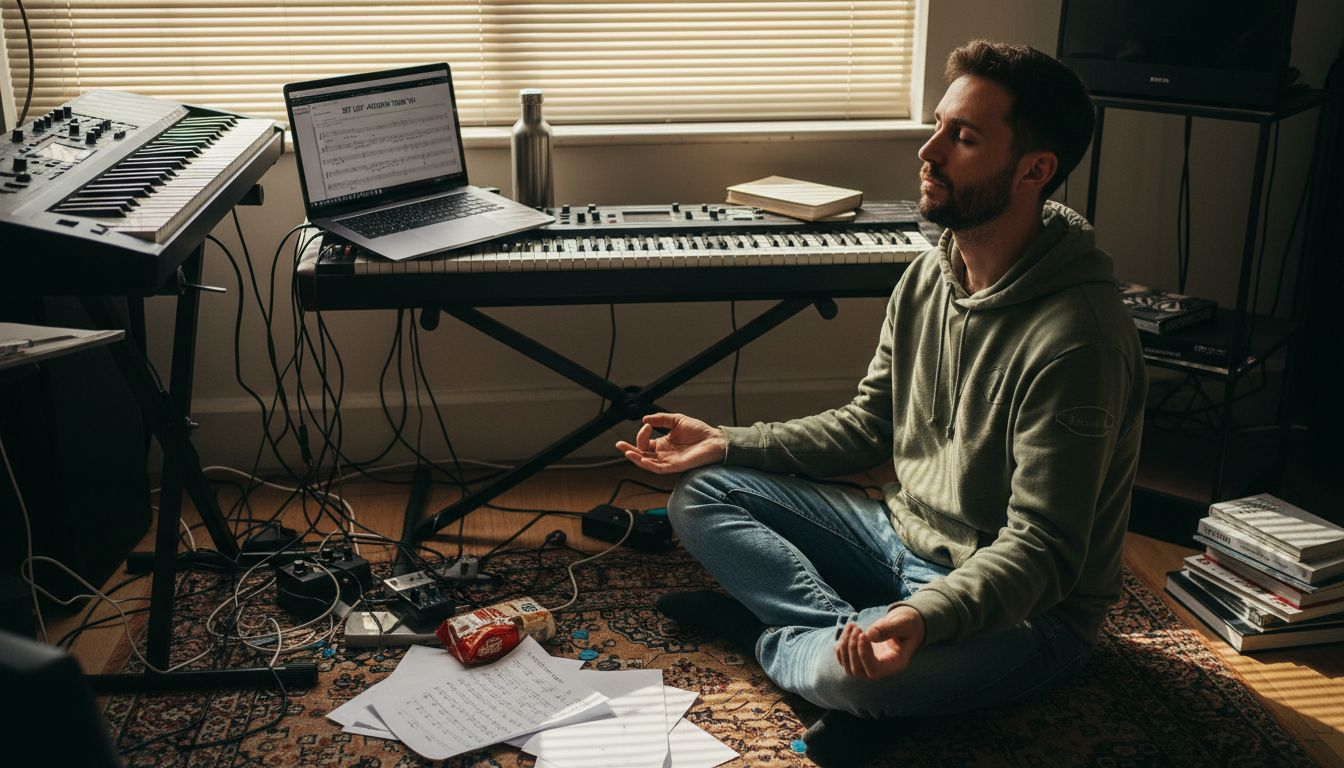
Pro tip: Design a personalised wellbeing routine that combines physical movement, creative expression, and mindful reflection to support your mental health holistically.
Core Benefits for Creatives and Musicians
Creative activities significantly enhance psychological wellbeing for musicians and creative professionals by providing powerful mechanisms for emotional processing, stress reduction, and personal growth. Understanding these intrinsic benefits helps artists develop more intentional approaches to maintaining mental health and sustaining creative practice.
The core benefits for creatives and musicians include:
Enhanced Emotional Resilience
Develops stronger emotional regulation skills
Reduces performance-related anxiety
Creates adaptive coping mechanisms for professional challenges
Psychological Self-Awareness
Increases understanding of personal emotional landscapes
Supports deeper introspection and personal insight
Provides structured pathways for emotional exploration
Professional Performance Improvement
Reduces performance anxiety and stage fright
Increases confidence in creative abilities
Supports consistent creative output and productivity
Social Connection and Belonging
Creates opportunities for meaningful interpersonal interactions
Reduces isolation common in creative professions
Builds supportive professional and personal networks
Holistic Health Management
Integrates physical, mental, and emotional wellbeing practices
Supports sustainable long-term creative careers
Prevents burnout through proactive self-care strategies
Pro tip: Develop a personalised wellbeing routine that combines creative expression, physical movement, and reflective practices to support your artistic journey.
Risks, Common Pitfalls and How to Avoid Them
Workplace wellbeing interventions often fail when they lack personalisation and genuine understanding of individual needs. For creative professionals, this means blindly adopting generic wellbeing strategies can potentially cause more harm than good, underscoring the importance of tailored, intentional approaches.
Common risks and pitfalls in active wellbeing include:
Oversimplification of Wellbeing
Treating wellbeing as a one-size-fits-all concept
Ignoring individual psychological differences
Implementing generic interventions without contextual understanding
Performance Pressure
Creating additional stress through rigid wellbeing expectations
Paradoxically increasing anxiety about ‘achieving’ wellness
Transforming wellbeing into another performance metric
Superficial Implementation
Adopting wellbeing practices without genuine commitment
Lack of systemic support from leadership
Treating wellbeing as a temporary trend rather than a sustained approach
Neglecting Root Causes
Focusing on symptoms rather than underlying systemic issues
Avoiding difficult conversations about workplace culture
Implementing cosmetic changes without structural transformation
Inappropriate Measurement
Using inappropriate or reductive metrics
Failing to capture nuanced psychological experiences
Reducing complex human experiences to simplistic data points
Pro tip: Develop a personalised wellbeing strategy that adapts to your changing creative rhythms and acknowledges your unique professional challenges.
The following table summarises common pitfalls in active wellbeing and strategies to overcome them:
Pitfall | Challenge Presented | Solution Strategy |
Oversimplification | Neglects individual differences | Tailor interventions to personal needs |
Performance Pressure | Adds stress to wellbeing practices | Focus on sustainable, flexible goals |
Superficial Implementation | Practices lack long-term impact | Secure support and ongoing commitment |
Neglecting Root Causes | Misses systemic factors | Address workplace and cultural issues |
Inappropriate Measurement | Misinterprets psychological data | Use comprehensive, qualitative metrics |
Practical Ways to Improve Active Wellbeing
Physical activity strategies tailored to individual capabilities provide a robust framework for enhancing overall wellbeing. For creative professionals, this means developing personalised approaches that integrate movement, mindfulness, and intentional lifestyle practices into daily routines.
Practical strategies for improving active wellbeing include:
Movement Integration
Incorporate short, frequent movement breaks
Choose activities aligned with personal preferences
Mix structured exercise with spontaneous physical engagement
Mindful Practice Development
Establish consistent meditation or breathing techniques
Practice daily self-reflection
Learn emotional regulation skills
Creative Energy Management
Design flexible work rhythms
Create designated spaces for artistic and personal restoration
Balance intense creative periods with intentional recovery
Social Connection Strategies
Build supportive professional networks
Engage in collaborative creative projects
Participate in community-based wellbeing activities
Holistic Skill Development
Learn cross-disciplinary skills
Explore stress management techniques
Cultivate adaptability and emotional resilience
Pro tip: Design a personalised wellbeing dashboard that tracks your energy levels, creative output, and emotional states to understand your unique rhythms.
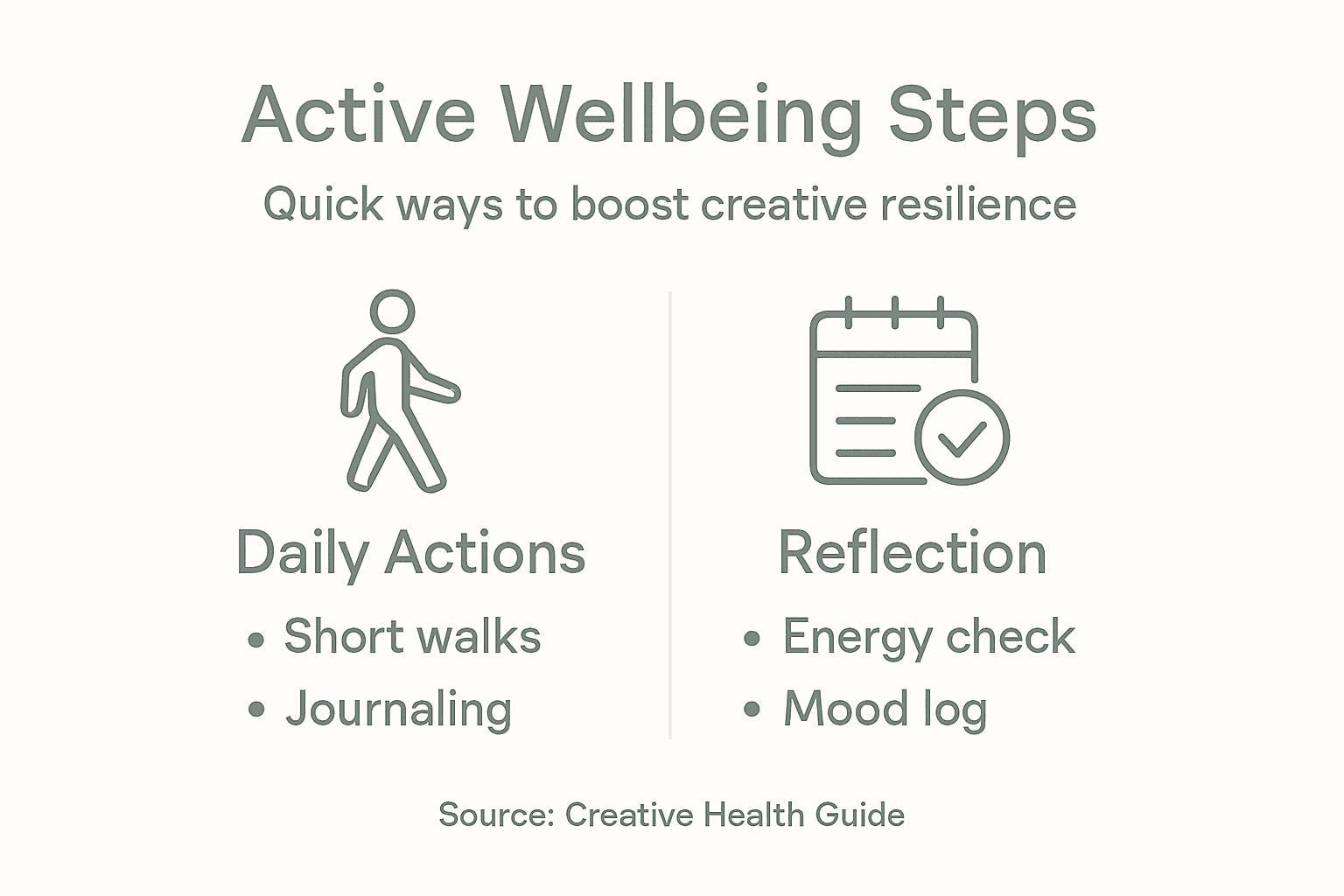
Strengthen Your Creative Resilience with Personalised Wellbeing Coaching
The challenges of managing stress, emotional ups and downs, and maintaining a balanced routine discussed in “Active Wellbeing: Building Resilience for Creatives” are exactly what Tom Ryder Wellbeing helps you overcome. If you find yourself feeling overwhelmed or stuck, struggling with sleep, motivation, or managing the pressures of your creative work, you are not alone. Our coaching uses the proven SCALES Model to bring balance to Sleep, Creative expression, Activity, Listening to your body, connection with Earth, and Social relationships — all crucial principles explored in the article.
Whether you are a musician, creative professional, or simply someone seeking emotional resilience and mental clarity, our tailored Mental Health & Wellbeing Coaching and Emotional Resilience Coaching provide practical, manageable steps to build your wellbeing while supporting your creative journey. Take the first step towards better mental health and sustainable creative energy now by visiting Tom Ryder Wellbeing and booking a free consultation. Start transforming stress into strength today.
Frequently Asked Questions
What is active wellbeing and how does it differ from traditional wellness models?
Active wellbeing is a dynamic approach to personal health that focuses on intentional engagement with physical, mental, and emotional practices for ongoing personal development, unlike traditional wellness models that view wellbeing as a fixed state.
How can active wellbeing support mental health specifically for creatives?
Active wellbeing supports mental health by enhancing emotional resilience, improving cognitive performance, facilitating emotional processing, and fostering meaningful social connections, which are essential for navigating the challenges of a creative career.
What are some practical strategies for improving active wellbeing?
Practical strategies include integrating short movement breaks, developing mindful practices like meditation, managing creative energy, building supportive social connections, and engaging in holistic skill development tailored to individual needs.
What are the core benefits of active wellbeing for musicians?
The core benefits for musicians include enhanced emotional resilience, improved psychological self-awareness, increased professional performance, strengthened social connections, and effective holistic health management that prevents burnout.
Recommended
Comments