


7 Creative Wellbeing Activities for Stress Relief

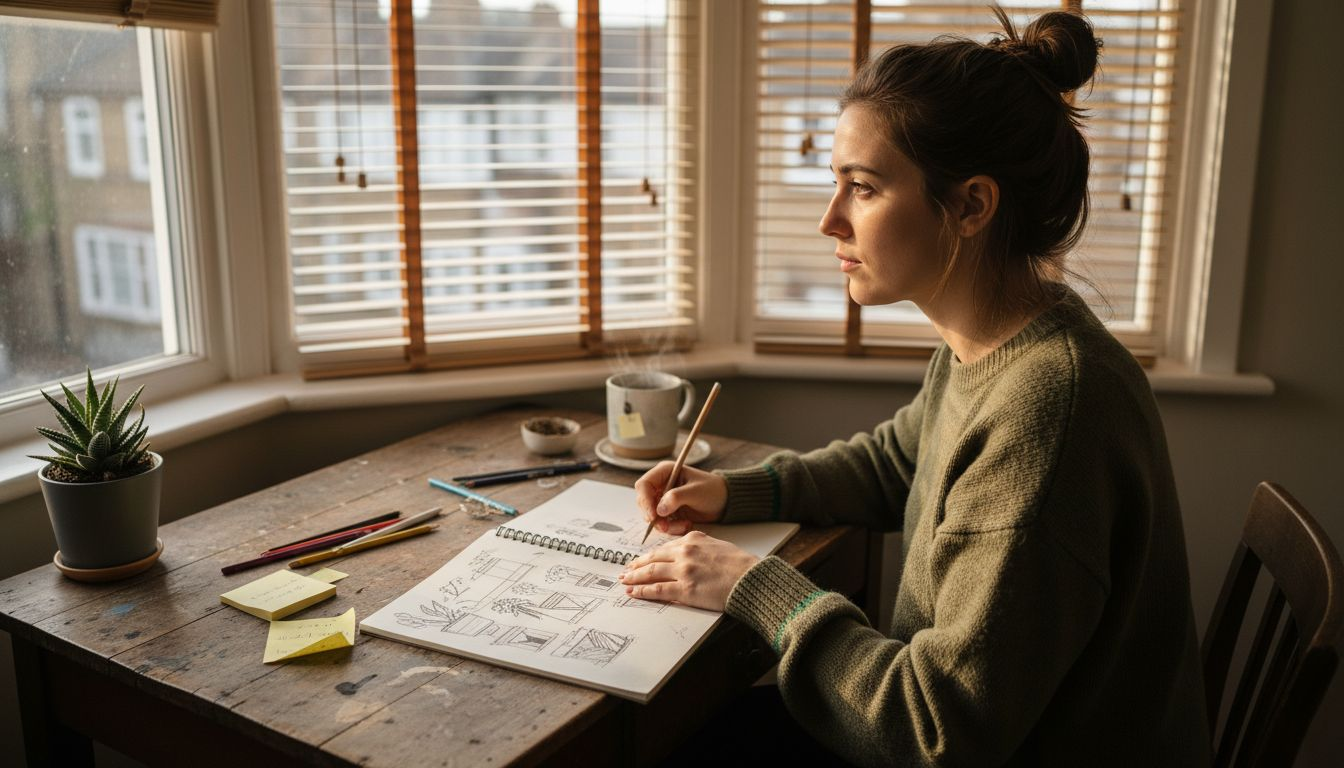
Feeling overwhelmed by stress can leave you searching for new ways to cope and express yourself. Ordinary routines might not give you enough space for emotional release or genuine relaxation. Fortunately, creative activities offer more than just distraction—they provide real strategies for processing emotions and building resilience.
You will discover how music, art, writing, movement, and group activities can support your mental wellbeing in practical and approachable ways. Research shows these methods can reduce anxiety, improve your mood, and help you feel more connected to yourself and others.
Get ready to explore straightforward steps that turn everyday creativity into a powerful source of calm and emotional balance. Each idea will give you tools you can use immediately to bring relief and new perspective to your daily life.
Table of Contents
Quick Summary
Takeaway | Explanation |
1. Use music for emotional relief | Songwriting allows you to express complex feelings, reducing anxiety and improving mental health through creativity. |
2. Practice mindful drawing | Engaging in mindful art helps transform emotions into visual expressions, promoting relaxation and reducing stress. |
3. Start creative journaling | Journalling offers a private space to process thoughts and emotions, enhancing mental clarity and personal expression. |
4. Join collaborative activities | Participating in group creative projects fosters social connection, alleviating feelings of isolation and promoting wellbeing. |
5. Incorporate gentle movement | Relaxing movement practices like yoga or Tai Chi can significantly improve mental health by promoting relaxation and inner peace. |
1. Express Yourself Through Music and Songwriting
Music offers a powerful pathway for stress relief and emotional processing, transforming inner turmoil into creative expression. Research on music and wellbeing demonstrates that songwriting can significantly reduce anxiety and enhance overall mental health.
Songwriting provides a unique therapeutic outlet where you can transform complex emotions into melodies and lyrics. By channelling your feelings into music, you create a safe space to explore and understand your inner landscape. Whether you play an instrument or simply use your voice, the act of creating music allows you to externalize internal experiences.
To begin your musical journey, start small. Grab a notebook or open a notes app on your phone and write down your current emotions. Do not worry about creating a perfect song—focus on honest expression. Experiment with simple chord progressions on a guitar, keyboard, or even digital music apps that make composition accessible.
Young people in the UK have found significant benefits through musical self-expression, with youth music projects highlighting how music provides personal growth and social connection. You do not need professional training to start—just a willingness to be vulnerable and creative.
Pro tip: Begin by recording short musical ideas on your smartphone, creating a personal audio diary that captures your emotional journey through sound.
2. Engage in Mindful Art and Drawing Exercises
Drawing offers a powerful therapeutic pathway for stress relief and emotional exploration. Art therapy research reveals that mindful visual creative practices can significantly reduce psychological distress and anxiety.
Mindful art is not about creating masterpieces but rather about experiencing the present moment through creative expression. The act of drawing allows you to channel your emotions onto paper, transforming internal tensions into visual representations. This process helps disconnect from stressful thoughts and anchors you in the immediate sensory experience of creating.
To begin your mindful drawing practice, start simple. Gather basic materials like a sketchbook and pencils or coloured pens. Choose a quiet space where you feel comfortable and set aside 15 to 20 minutes without interruptions. Do not focus on producing perfect artwork—instead, concentrate on the sensation of your hand moving across the page.
Try different drawing techniques such as continuous line drawing, where you draw without lifting your pen from the page, or mandala creation, which offers structured yet meditative artistic expression. These approaches encourage a state of flow and present moment awareness, helping to interrupt anxiety cycles.
Pro tip: Select drawing materials in calming colours like soft blues or greens to enhance the meditative quality of your artistic practice.
3. Boost Mood With Creative Journalling
Creative journalling offers a powerful personal sanctuary for processing emotions and reducing stress. By transforming internal thoughts into written expression, you create a private dialogue that supports emotional wellbeing and mental clarity.
Journalling goes beyond traditional diary writing. It is an intentional practice of exploring your inner landscape through various creative techniques. Emotional wellbeing practices can be enhanced by approaching your journal as a flexible, judgement free space for authentic self reflection.
To begin your creative journalling journey, experiment with different styles. Try stream of consciousness writing, where you write continuously without stopping or editing. Alternatively, use prompts like drawing emotions, creating mind maps, or writing letters you never intend to send. These approaches help unlock subconscious thoughts and provide emotional release.
Consider incorporating visual elements into your journal. Sketches, colour coding, collage elements, and decorative borders can transform journalling from a text based activity into a multisensory experience. The goal is not perfection but personal expression and emotional exploration.
Pro tip: Keep your journal and favourite writing tools easily accessible, perhaps beside your bed or in your workspace, to encourage spontaneous creative expression.
4. Connect Through Collaborative Group Activities
Social connection plays a profound role in managing stress and supporting mental wellbeing. Creative outlets for wellbeing demonstrate that shared experiences can significantly reduce individual psychological tension.
Collaborative group activities provide a powerful antidote to isolation and emotional overwhelm. By engaging with others in creative pursuits, you create opportunities for mutual support, shared vulnerability, and collective healing. These interactions help interrupt negative thought patterns and generate a sense of belonging.
Consider joining local workshops, community classes, or online groups focused on creative expression. Options might include group painting sessions, community theatre workshops, collaborative music groups, or team craft projects. The key is finding an activity where connection feels organic and enjoyable rather than forced or performative.
Group activities work best when participants approach them with openness and curiosity. Do not worry about skill levels or performance expectations. Focus instead on the shared experience of learning, creating, and supporting one another through the process of collective creativity.
Pro tip: Start small by finding one low pressure group activity in your local community centre or online platform where you can explore connection without feeling overwhelmed.
5. Find Calm With Relaxing Movement Practices
Relaxing movement practices offer a gentle yet powerful approach to managing stress and cultivating inner peace. Mindfulness techniques recommended by the NHS demonstrate how intentional physical practices can transform your mental wellbeing.
Gentle movement practices like yoga, Tai Chi, and Qi Gong provide more than physical exercise. They create a meditative space where body and mind synchronise, allowing you to release tension and reconnect with your inner calm. These practices work by activating the parasympathetic nervous system, which counteracts stress responses and promotes relaxation.
Beginners can start with simple practices that require minimal equipment. Try seated stretching, breathing exercises, or guided online classes that introduce movement slowly. Focus on how your body feels rather than achieving perfect poses. Mindful movement is about exploring sensations and creating a compassionate relationship with yourself.
Consider exploring different styles to find what resonates with you. Some people prefer the flowing movements of Tai Chi, while others might enjoy the structured stretches of yoga. The key is finding a practice that feels nurturing and helps you feel more grounded in your body.
Pro tip: Begin with short ten minute sessions and gradually increase duration as you become more comfortable with your chosen movement practice.
6. Unwind in Nature With Outdoor Creativity
Nature offers an extraordinary canvas for creative expression and stress relief. Balancing mindset practices emphasise the importance of connecting with natural environments to restore mental equilibrium.
Outdoor creativity transforms the landscape into a personal studio where imagination meets natural inspiration. By engaging with your surroundings through artistic activities, you create a powerful method of emotional processing and stress reduction. The key is approaching outdoor creativity with curiosity and openness.
Try diverse outdoor creative practices to discover what resonates with you. Sketch landscapes using portable watercolour sets, collect natural materials for collage making, photograph interesting textures and colours, or write poetry inspired by woodland paths. Each activity invites you to slow down and observe the world with fresh perspective.
Choose locations that feel comfortable and safe. Urban parks, local woodlands, coastal areas or even a quiet garden can become your creative sanctuary. Remember that the goal is not producing museum quality artwork but experiencing the therapeutic process of creative engagement with nature.
Pro tip: Pack a lightweight sketchbook and simple drawing materials in your bag so you can spontaneously capture creative moments whenever inspiration strikes.
7. Build Routines That Nurture Creative Balance
Creative balance emerges from intentional, structured approaches to wellbeing and self expression. Wellbeing routines are fundamental to maintaining mental health and sustaining creative energy.
Building effective routines requires understanding that consistency matters more than perfection. Think of your routine as a flexible framework that supports your creative and emotional needs, rather than a rigid set of rules. The goal is creating sustainable practices that feel nourishing and authentic to your unique rhythm.
Start by identifying small, manageable activities that genuinely spark joy and reduce stress. These might include a morning journalling session, fifteen minutes of sketching before work, or a weekly creative project that allows unstructured exploration. Integrate these activities into your existing schedule, making them feel like natural extensions of your day.
Consider using tracking methods like habit journals or digital apps to monitor your progress. Visual representations of your creative consistency can be motivating and help you understand your personal patterns. Experiment with different approaches and be kind to yourself as you develop a routine that truly supports your wellbeing.
Pro tip: Schedule your creative activities during times when you naturally feel most energetic and inspired, rather than forcing them into inconvenient moments.
Below is a comprehensive table summarising the activities and strategies for creative expression and emotional wellbeing discussed throughout the article.
Activity | Description | Benefits |
Express Yourself Through Music and Songwriting | Transform emotions into melodies and lyrics through songwriting or playing instruments, providing a safe outlet for expression. | Reduces anxiety, fosters emotional processing, and enhances mental health. |
Engage in Mindful Art and Drawing Exercises | Create visual representations to explore and anchor yourself in the present moment. | Relieves stress, reconnects with senses, and encourages present moment awareness. |
Boost Mood With Creative Journalling | Explore thoughts through writing, drawing, and multisensory journalling techniques. | Supports emotional clarity, provides safe self-exploration space. |
Connect Through Collaborative Group Activities | Engage in community creative pursuits to build connections and receive mutual support. | Reduces isolation, fosters belonging, and offers collective healing. |
Find Calm With Relaxing Movement Practices | Incorporate mindful physical exercises such as yoga or guided stretches into daily routines. | Promotes inner calm, tension release, and synchronises body and mind. |
Unwind in Nature With Outdoor Creativity | Use natural surroundings for artistic activities like sketching or poetry. | Encourages creativity, slows down observation and balances mindset. |
Build Routines That Nurture Creative Balance | Develop structured yet flexible routines for wellbeing and creativity. | Ensures consistency in self-expression and sustains mental health balance. |
Find Balance and Calm with Expert Wellbeing Coaching
If the creative wellbeing activities in this article resonate with your search for stress relief and emotional balance, you are not alone in feeling overwhelmed or unsure where to start. Tom Ryder Wellbeing specialises in supporting adults, creatives, and professionals who struggle with constant stress, low energy, and difficulty managing thoughts and routines. Using the proven SCALES Model, which highlights the importance of Sleep, Creative outlets, Active movement, Listening, Earth connection, and Social support, coaching here helps you build small, sustainable habits that restore your mental health and boost your resilience.
Take the next step towards clearer direction and practical change with services like Mental Health and Wellbeing Coaching, Stress Management Coaching, or Mindset Coaching UK. Whether you are looking for personalised 1:1 sessions or group workshops that utilise creative and musical tools, Tom Ryder Wellbeing offers the support you need to convert inspiration into real progress. Start your journey today by visiting https://www.tomryderwellbeing.co.uk/ for a free discovery consultation and discover how coaching can turn creative stress relief ideas into lasting wellbeing.
Frequently Asked Questions
How can I use music and songwriting for stress relief?
Music and songwriting can serve as an effective outlet for emotional expression, helping to alleviate stress. Start by writing down your feelings in a notebook or using a digital app, focusing on honesty rather than perfection.
What are some mindful drawing techniques to try?
Mindful drawing techniques such as continuous line drawing or creating mandalas can greatly aid in relaxation and emotional processing. Set aside 15 to 20 minutes in a quiet space, and focus on the sensations while you draw, rather than the outcome.
How can creative journalling improve my wellbeing?
Creative journalling allows for deeper emotional processing and self-reflection, enhancing mental clarity. Experiment with various styles like stream of consciousness writing or visual prompts, and aim for consistency by journalling for at least 10 minutes each day.
What group activities can promote social connection and creativity?
Joining collaborative group activities, like community theatre or group painting sessions, fosters social connections that can help reduce feelings of isolation. Look for local workshops or online groups to participate in, and approach each session with openness to enhance your experience.
How do I incorporate relaxing movement practices into my routine?
Engaging in relaxing movement practices such as yoga or Tai Chi can help synchronise body and mind, promoting relaxation. Start with just 10 minutes of gentle stretching or guided classes several times a week to gradually build comfort and relaxation.
What outdoor activities can I do to boost my creative wellbeing?
Engaging in creative activities outdoors, like sketching or poetry writing, allows you to connect with nature while expressing yourself. Select a comfortable outdoor space and dedicate time to creative pursuits there, making it a regular part of your week.
Recommended
Comments