


How to Build Healthy Routines for Everyday Wellbeing


Most british adults say their overall wellbeing often takes a back seat to daily routines. Personal priorities can easily get lost as life gets busy or stressful. Understanding what matters most to you is key, especially when research shows that focusing on just a few meaningful priorities leads to greater happiness and balance. You will discover how to identify, assess, and refine your wellbeing habits using smart, practical steps grounded in evidence.
Table of Contents
Quick Summary
Notable Insight | Clarification |
1. Identify Wellbeing Priorities | Reflect on key areas of your life such as health, relationships, and personal growth to understand where to focus your energy. |
2. Use the SCALES Model | Evaluate your lifestyle through Sleep, Creative, Active, Listen, Earth, and Social domains to pinpoint strengths and improvement areas. |
3. Implement Small Daily Changes | Select manageable daily modifications in each SCALES area, ensuring sustainable lifestyle adjustments that fit easily into your routine. |
4. Habit Stacking Techniques | Link new habits to existing routines to seamlessly integrate them into your daily life for improved adherence. |
5. Regularly Review and Adjust | Conduct monthly assessments of your progress to adapt strategies that enhance your overall sense of wellbeing. |
Step 1: Identify personal wellbeing priorities
Identifying your personal wellbeing priorities is a crucial first step in creating a balanced life strategy. This process helps you understand what truly matters to you and where you want to focus your energy and attention.
Start by reflecting on your current lifestyle and assessing factors that impact your overall life satisfaction. Think about different areas like physical health, mental clarity, relationships, career satisfaction, and personal growth. Consider keeping a journal to track your daily experiences and emotions, noting moments when you feel most fulfilled and times when you feel stressed or disconnected.
Carefully examine the key domains that contribute to your wellbeing. These might include diet, exercise, sleep quality, social connections, work life balance, and personal development. Community research highlights specific priorities like nutrition, physical activity, family relationships, and educational engagement that can serve as a useful framework for your personal assessment.
Practical tip: Create a personal wellbeing radar chart. Draw a circular diagram with six to eight spokes representing different life areas. Rate your current satisfaction in each area from 1 to 10, then connect the dots to visualise where you might need more focused attention and investment.
Step 2: Assess current habits using the SCALES Model
Using the SCALES Model helps you systematically evaluate your current lifestyle and identify areas needing improvement. This framework offers a comprehensive approach to understanding your overall wellbeing across six interconnected domains.
Validated assessment tools can provide structured insights into self-efficacy and personal habits that support meaningful personal growth. Begin by examining each SCALES component carefully: Sleep, Creative, Active, Listen, Earth, and Social. For each domain, ask yourself reflective questions. How many hours of quality sleep do you get? Are you engaging in creative activities? How much physical movement do you incorporate daily? Are you truly listening to your body and emotions?
Research on measuring wellbeing emphasises the importance of holistic self-assessment across multiple life dimensions. Rate your current performance in each SCALES area on a scale from 1 to 10, identifying specific strengths and potential improvement zones. This honest evaluation will become the foundation for developing targeted strategies to enhance your overall wellbeing.
Practical tip: Create a dedicated wellbeing journal where you track your progress and observations across each SCALES dimension. Review and update your insights weekly to maintain momentum and celebrate small improvements.
Here is a summary of how each SCALES domain contributes to personal wellbeing:
SCALES Domain | Key Focus | Example Question | Potential Benefit |
Sleep | Rest and recovery | How many hours is my quality sleep? | Improved mood and cognitive function |
Creative | Expression and innovation | Am I engaging in creative tasks? | Enhanced problem-solving and enjoyment |
Active | Physical movement | Am I moving daily enough? | Boosted energy and physical health |
Listen | Mindful awareness | Am I tuning in to my emotions? | Greater emotional resilience |
Earth | Connection to nature and surroundings | Am I spending time outdoors? | Reduced stress and groundedness |
Social | Relationships and support | Am I connecting with others? | Increased sense of belonging |
Step 3: Design achievable daily routine changes
Designing achievable daily routine changes requires thoughtful planning and a strategic approach to transforming your lifestyle. The goal is to create sustainable modifications that integrate smoothly into your existing life patterns.
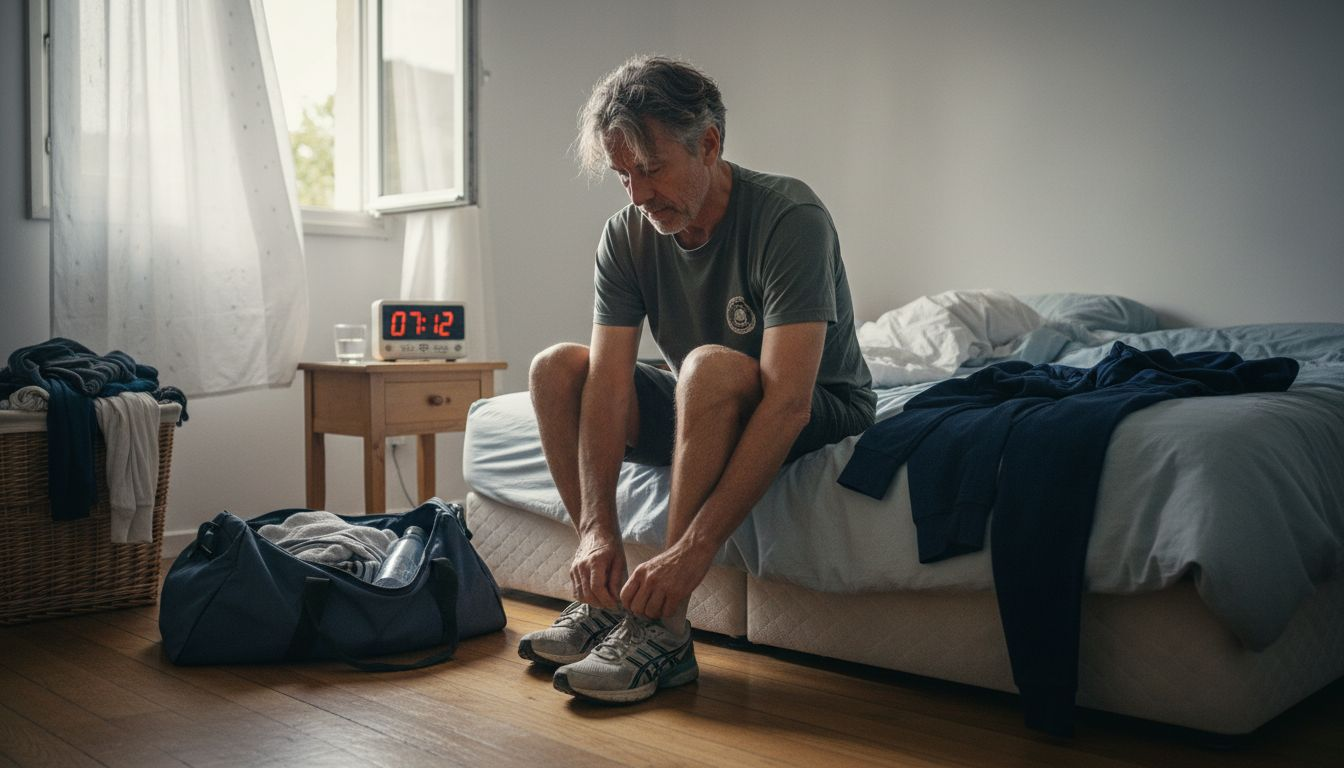
NHS guidance emphasises the importance of gradual, structured changes in developing effective wellbeing practices. Start by selecting one or two small changes within each SCALES dimension that feel manageable. For instance, in the Sleep domain, this might mean establishing a consistent bedtime routine. In the Active domain, consider adding a 15-minute walk to your daily schedule. The key is selecting changes that feel attainable rather than overwhelming.
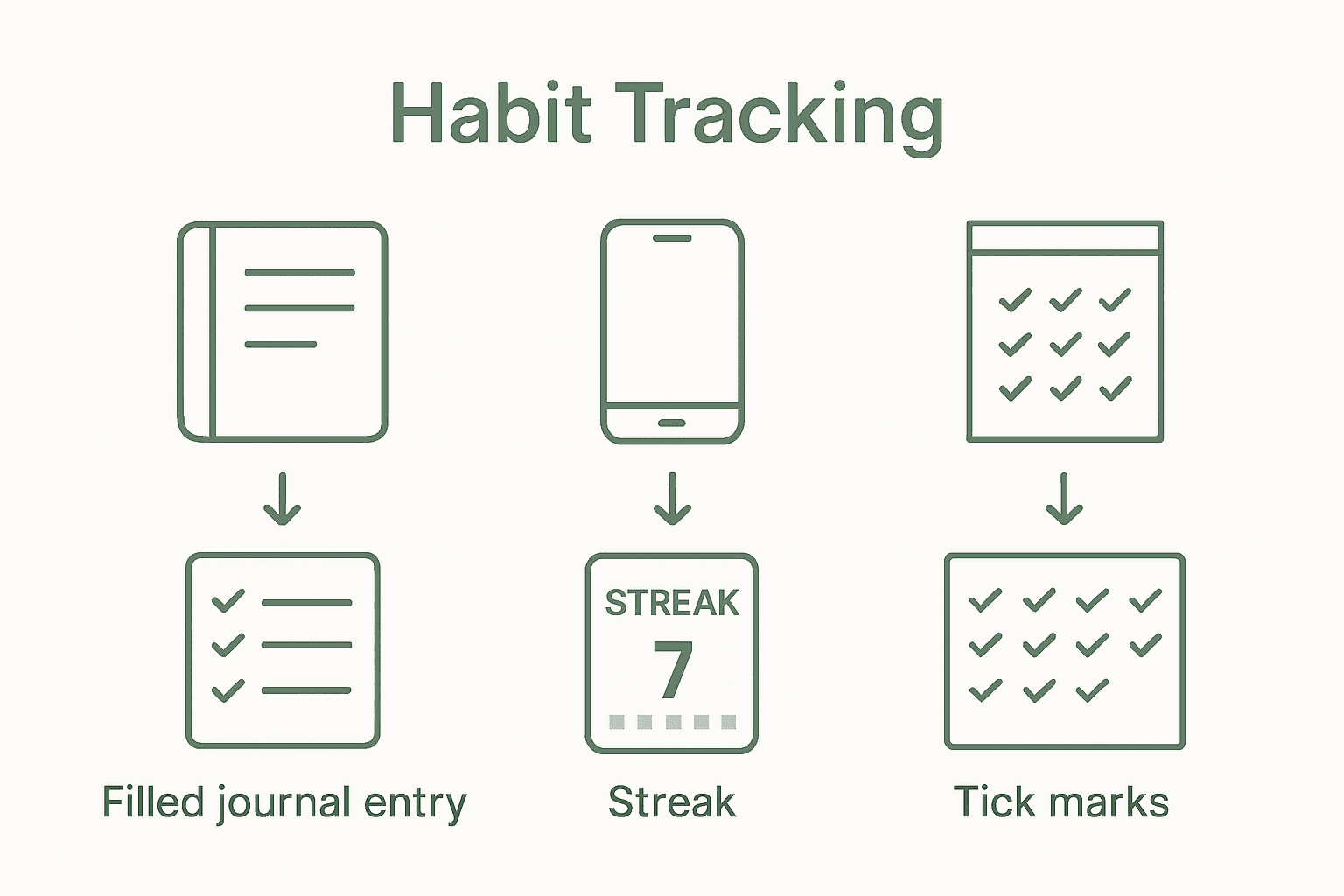
National wellbeing research indicates that quality of life significantly improves through intentional, incremental lifestyle adjustments. Create a simple tracking system to monitor your new habits. Use a journal or digital app to record your daily progress, noting which changes feel natural and which require more adaptation. Remember that consistency matters more than perfection. Small, repeated actions build momentum and create lasting change.
Practical tip: Implement the two-minute rule. If a new habit takes less than two minutes to complete, do it immediately without hesitation or overthinking.
Step 4: Implement new habits with practical tools
Implementing new habits requires strategic approaches and thoughtful tools that support sustainable behaviour change. The goal is to create a supportive environment that makes positive routines feel natural and achievable.
NHS guidance offers practical strategies for introducing wellbeing practices into daily routines. Consider using habit stacking techniques where you attach a new behaviour to an existing routine. For example, practise mindful breathing right after brushing your teeth or do a quick stretching sequence while waiting for your morning coffee to brew. Digital tools like habit tracking apps can provide visual motivation and accountability, helping you monitor progress across different SCALES dimensions.
Personal wellbeing measurement techniques can help you objectively assess the impact of your new habits. Create a simple weekly review process where you reflect on your progress. Use a journal or spreadsheet to track which habits are becoming easier and which require more intentional practice. Remember that consistency trumps perfection. Small, repeated actions build powerful momentum over time.
Practical tip: Set up environmental triggers that prompt your new habits. Place your yoga mat next to your bed, keep a water bottle visible, or set phone reminders that gently nudge you towards your wellbeing goals.
This table highlights practical ways to strengthen new habits for sustained wellbeing:
Practical Tool | How It Works | Example Application |
Habit stacking | Link new habits to existing routines | Meditate after brushing your teeth |
Digital tracking apps | Monitor and visualise progress | Log steps or sleep in a phone app |
Environmental triggers | Use cues in your setting | Place trainers by the door for walks |
Scheduled reviews | Regular check-ins on progress | Reflect weekly in a wellbeing journal |
Step 5: Review progress and adjust for lasting benefits
Reviewing your progress and making strategic adjustments is crucial for sustaining meaningful lifestyle changes. This step transforms your initial efforts into a dynamic, responsive approach to personal wellbeing.
NHS England recommends systematic approaches to assessing the effectiveness of health and wellbeing initiatives. Schedule a monthly review where you critically examine your SCALES progress. Look beyond surface level achievements and consider how your new habits are genuinely impacting your energy, mood, and overall sense of balance. Are your Sleep patterns more consistent? Has your Creative expression improved? Are you feeling more connected in your Social interactions?
Personal wellbeing measurement techniques provide structured methods for tracking meaningful change. Create a simple scoring system for each SCALES dimension. Rate yourself from 1 to 10 at the start of your journey and then monthly. This quantitative approach helps you objectively see your progress, celebrate improvements, and identify areas needing more focused attention. Remember that adaptation is not failure. If a particular strategy is not working, view it as valuable information guiding your next adjustment.
Practical tip: Keep a quarterly reflection journal where you document not just your habits, but the subtle shifts in your overall sense of wellbeing. Note patterns, challenges, and unexpected positive changes.
Build Your Wellbeing Routine With Expert Coaching Support
If you find yourself overwhelmed by the challenge of creating healthy daily routines, this article’s focus on the SCALES Model offers a clear way to bring balance and clarity. You may recognise common struggles such as difficulty maintaining consistent sleep, low energy, or feeling disconnected from your emotions and community. These are exactly the issues that Tom Ryder Wellbeing specialises in addressing through practical, honest coaching that transforms complexity into achievable steps.
Using Tom’s unique SCALES-based approach, you can gain insight into how to better align your Sleep, Creativity, Activity, Listening, connection with Earth, and Social life. Whether you want to break free from stress, boost your emotional resilience, or build routines that support your mental health, our Mental Health & Wellbeing Coaching and Stress Management Coaching offer tailored guidance to help you feel balanced and in control. Take the next step towards lasting wellbeing today by visiting Tom Ryder Wellbeing and discover how personalised coaching can turn small changes into powerful life improvements.
Frequently Asked Questions
How can I identify my personal wellbeing priorities?
Start by reflecting on different aspects of your life, such as physical health, relationships, and personal growth. Create a radar chart to visualise your satisfaction levels in these areas, helping you pinpoint where to focus your energy.
What is the SCALES Model and how does it help in assessing habits?
The SCALES Model evaluates personal wellbeing across six domains: Sleep, Creative, Active, Listen, Earth, and Social. Reflect on each category with targeted questions to identify strengths and areas needing improvement, rating yourself on a scale from 1 to 10.
How can I design achievable daily routine changes for my wellbeing?
Focus on one or two manageable changes within each SCALES dimension, such as establishing a consistent bedtime or adding a 15-minute walk. Start with small adjustments to ensure they integrate smoothly into your existing lifestyle, making it easier to maintain consistency.
What practical tools can I use to implement new habits?
Employ habit stacking by linking new practices to established routines, such as meditating after brushing your teeth. Set environmental triggers, like placing your yoga mat in sight, to remind you to engage in healthy activities throughout the day.
How often should I review my progress towards my wellbeing goals?
Schedule a monthly review to assess your progress across all SCALES dimensions. Rate your performance from 1 to 10 to track improvements and identify areas that may need further attention for sustained wellbeing benefits.
What are some examples of small changes I can make for better wellbeing?
Implement the two-minute rule: if a new habit takes less than two minutes, do it immediately. For instance, take a moment to stretch or drink a glass of water when you feel stressed, integrating it seamlessly into your day.
Recommended
Comments