


7 Key Types of Wellbeing Coaching for Lasting Change

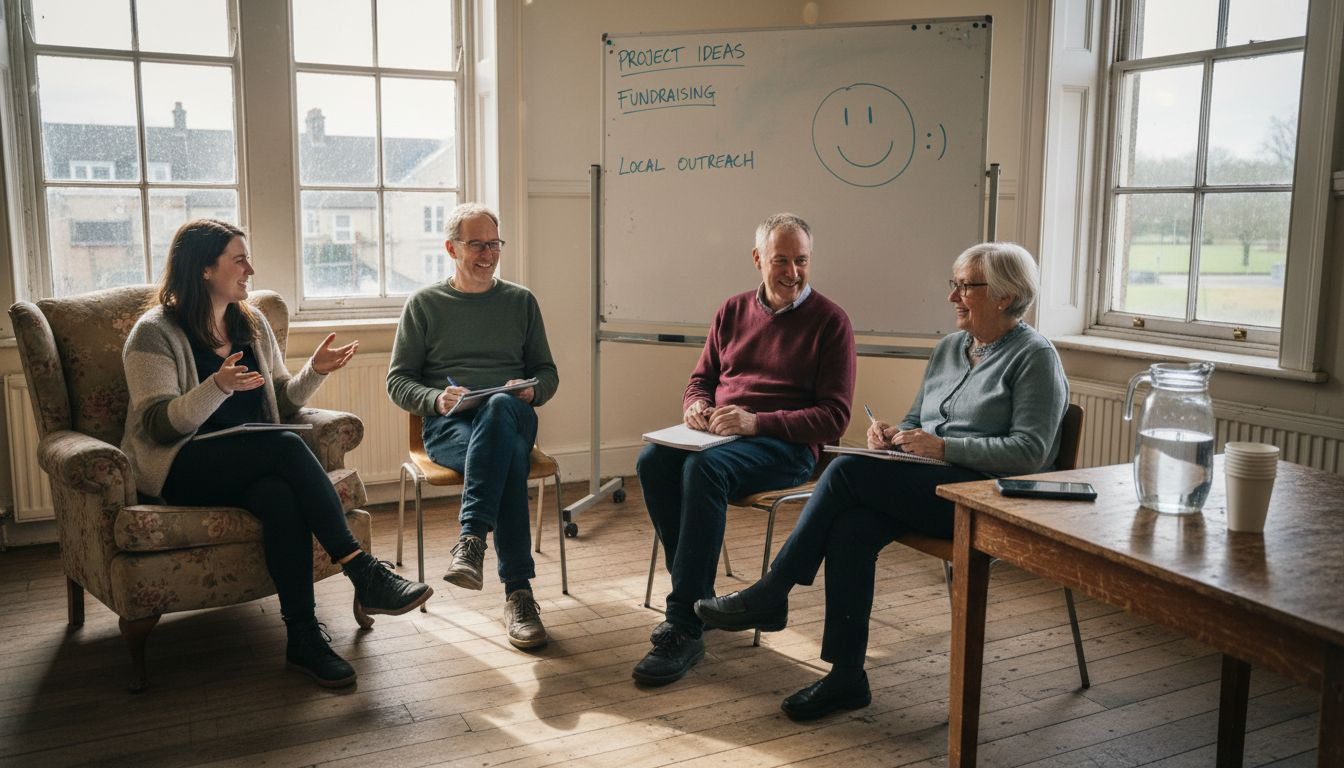
Most advice about mental health overlooks the power of personalised coaching, even though more than one in four British adults experience mental health concerns each year. In a world where emotional wellbeing is constantly challenged, understanding effective support strategies makes a real difference to daily life. This guide breaks down how wellbeing coaching works and what truly sets it apart, offering practical insights for anyone looking to strengthen their resilience and mental health.
Table of Contents
Quick Summary
Takeaway | Explanation |
1. Mental Health Coaching Empowers Individuals | This coaching provides personalised guidance for managing mental health and achieving life improvements, focusing on empowering clients. |
2. Mindset Coaching Reshapes Beliefs | It challenges self-limiting beliefs and promotes a growth mindset, enhancing personal and professional outcomes through structured techniques. |
3. Effective Stress Management is Learnable | Stress management coaching helps individuals identify triggers and develop sustainable coping strategies to handle stress better. |
4. Emotional Resilience Can Be Developed | Coaches work with clients to refine resilience skills, enabling them to navigate challenges and maintain psychological balance effectively. |
5. Work-Life Balance Coaching Reduces Burnout | It helps professionals set boundaries and create systems for better harmony between work demands and personal wellbeing. |
1. Mental Health and Wellbeing Coaching Explained
Mental health and wellbeing coaching represents a transformative approach to supporting individuals through personalised, goal-oriented guidance. Unlike traditional therapy, this coaching method focuses on empowering people to develop practical strategies for managing their mental health and creating sustainable life improvements.
Wellbeing coaching draws from established psychological frameworks, including those outlined in the NHS Workforce Development Framework, to help clients build resilience, enhance self-efficacy, and set meaningful personal health objectives. Coaches work collaboratively with individuals to identify barriers, develop coping mechanisms, and create actionable plans that address both immediate challenges and long-term wellness goals.
The core philosophy of mental health and wellbeing coaching centres on viewing clients as capable, resourceful individuals who can make positive changes with structured support. Coaches utilise techniques from positive psychology, behaviour change models, and motivational interviewing to help clients unlock their potential and develop healthier thought patterns and life strategies.
Practical application involves a holistic approach that considers multiple aspects of an individual’s life. This might include exploring sleep patterns, stress management techniques, emotional regulation strategies, and personal motivation. The coaching process typically involves regular sessions where clients progressively build skills, track progress, and adjust strategies based on real-world experiences.
Key benefits include improved self-awareness, enhanced emotional regulation, increased motivation, and the development of sustainable personal development strategies. Clients learn to understand their thought patterns, challenge limiting beliefs, and create meaningful changes that extend beyond temporary solutions.
Pro tip: Start your wellbeing coaching journey by keeping a daily reflection journal, noting your emotional states, challenges, and small victories to build self-awareness and track your personal growth effectively.
2. Mindset Coaching for Positive Change
Mindset coaching represents a powerful approach to personal transformation, focusing on reshaping an individual’s thought patterns and belief systems to unlock potential and drive meaningful life changes. By challenging self limiting beliefs and developing more constructive mental frameworks, individuals can significantly improve their personal and professional outcomes.
The core philosophy of mindset coaching is rooted in understanding how our thoughts directly influence our behaviours, emotions, and overall life experiences. Positive psychology principles play a crucial role in this approach, helping individuals reframe challenges as opportunities for growth and learning rather than insurmountable obstacles.
Practical mindset coaching involves a structured process of identifying negative thought patterns, understanding their origins, and systematically replacing them with more empowering perspectives. This might include techniques such as cognitive reframing, where clients learn to challenge and restructure unproductive thought processes that have been holding them back from achieving their goals.
Key strategies in mindset coaching include developing resilience, building self confidence, enhancing emotional intelligence, and creating actionable strategies for personal development. Coaches help clients understand the powerful connection between their thoughts, beliefs, and potential, guiding them to develop a growth mindset that embraces challenges and views setbacks as opportunities for learning.
The transformative power of mindset coaching extends across multiple life domains, including career progression, personal relationships, emotional wellbeing, and overall life satisfaction. By working with a skilled mindset coach, individuals can develop the mental tools and strategies needed to overcome self doubt, build confidence, and create meaningful positive change.
Pro tip: Start a daily practice of challenging your negative thoughts by writing them down and consciously reframing them into more constructive, empowering statements that support your personal growth and potential.
3. Stress Management Coaching Techniques
Stress management coaching represents a targeted approach to helping individuals develop effective strategies for understanding, managing, and reducing stress in their personal and professional lives. These specialised coaching techniques focus on empowering individuals to recognise stress triggers, build resilience, and implement practical coping mechanisms.
The fundamental goal of stress management coaching is to transform an individual’s relationship with stress from a debilitating experience to a manageable challenge. This approach goes beyond simple relaxation techniques, diving deep into understanding personal stress responses, identifying underlying patterns, and developing sustainable strategies for emotional regulation and mental wellbeing.
Key techniques in stress management coaching include cognitive reframing, where clients learn to interpret stressful situations from more balanced perspectives, emotional regulation strategies, mindfulness practices, and personalised stress reduction planning. Coaches help clients develop a toolkit of techniques that can be applied in real world scenarios, enabling them to maintain composure and effectiveness under pressure.
Practical application involves creating personalised stress management plans that consider individual lifestyle, work environment, and personal challenges. Building resilience skills becomes a critical component, helping individuals develop mental and emotional flexibility that allows them to bounce back from challenging situations more effectively.
Stress management coaching recognises that stress is not inherently negative but can become harmful when it overwhelms an individual’s coping mechanisms. By teaching strategic approaches to stress response, coaches help clients transform stress from a potential health risk into an opportunity for personal growth and increased self awareness.
Pro tip: Create a personal stress trigger journal where you document specific situations that cause stress, your immediate reactions, and potential alternative response strategies to develop greater emotional intelligence and self management.
4. Emotional Resilience Coaching Benefits
Emotional resilience coaching represents a transformative approach to building psychological strength and adaptability in the face of life’s challenges. This specialised form of coaching focuses on developing an individual’s capacity to navigate emotional complexity, manage stress, and maintain psychological equilibrium during turbulent times.
The core philosophy of emotional resilience coaching is understanding that resilience is not an innate trait but a skill that can be systematically developed and refined. Professional mental wellbeing training emphasises the importance of developing comprehensive strategies that enable individuals to bounce back from setbacks more effectively.
Key benefits include enhanced emotional intelligence, improved stress management capabilities, and a more robust psychological framework for handling personal and professional challenges. Coaches work with clients to identify emotional triggers, develop healthier response mechanisms, and build a toolkit of strategies for maintaining mental equilibrium under pressure.
Practical application involves learning techniques such as cognitive reframing, emotional regulation, mindfulness practices, and developing personalised coping strategies. Clients learn to recognise their emotional patterns, understand their underlying thought processes, and create more constructive approaches to managing complex emotional landscapes.
Emotional resilience coaching goes beyond simple stress management, offering a holistic approach to psychological wellbeing. By helping individuals understand their emotional responses, develop greater self awareness, and build more adaptive mental strategies, coaches enable clients to transform challenging experiences into opportunities for personal growth and self development.
Pro tip: Start a daily emotional reflection practice by spending ten minutes journaling about your emotional experiences, identifying patterns, triggers, and potential alternative response strategies to build greater emotional awareness and resilience.
5. Work–Life Balance Coaching for Professionals
Work–life balance coaching provides a strategic approach for professionals struggling to create harmony between their career demands and personal wellbeing. This specialised coaching helps individuals redesign their professional and personal lives to reduce burnout, increase productivity, and enhance overall life satisfaction.
Leadership development strategies recognise that sustainable professional success requires intentional boundary setting and holistic personal management. Work–life balance coaching goes beyond simple time management, addressing deeper psychological patterns that contribute to stress, overwhelm, and professional exhaustion.
The core methodology involves comprehensive assessment of current lifestyle patterns, identifying specific areas of misalignment, and developing personalised strategies for creating more meaningful boundaries. Coaches help professionals understand their unique stress triggers, reshape their approach to work responsibilities, and create systems that support both professional achievement and personal wellbeing.
Practical application includes developing skills such as effective prioritisation, learning to say no, establishing clear professional boundaries, and creating intentional routines that support mental and emotional health. Professionals learn to recognise signs of potential burnout, implement proactive self care strategies, and develop a more sustainable approach to professional and personal responsibilities.
Key benefits include increased energy levels, improved job satisfaction, enhanced personal relationships, and a more balanced approach to professional challenges. By addressing the root causes of work related stress and implementing strategic life design principles, work–life balance coaching enables professionals to create more fulfilling and sustainable career trajectories.
Pro tip: Implement a weekly review practice where you assess your professional and personal commitments, intentionally creating space for rest, personal development, and meaningful relationships alongside your professional responsibilities.
6. Creative Wellbeing Coaching for Musicians and Artists
Creative wellbeing coaching provides a specialised approach to supporting musicians, artists, and performers through the unique psychological challenges inherent in creative professions. This targeted coaching recognises the complex emotional landscape of artistic work, addressing the intricate connections between creativity, mental health, and professional success.
Mindset coaching for young creatives acknowledges the distinctive pressures faced by artists navigating uncertain career paths, performance anxiety, creative blocks, and the intense emotional vulnerability required in artistic expression. Coaches work to build resilience, emotional intelligence, and sustainable creative practices that protect mental health while nurturing artistic potential.
The core methodology involves understanding the specific psychological dynamics of creative work. This includes developing strategies to manage performance anxiety, creating healthy boundaries between personal identity and artistic output, processing creative rejection, and maintaining motivation during challenging periods of artistic development.
Practical application focuses on developing personalised tools for emotional regulation, building robust self confidence, and creating supportive structures that allow artists to thrive professionally while maintaining psychological wellbeing. Techniques might include exploring performance psychology, developing adaptive coping mechanisms, and creating intentional practices that support both creative expression and personal resilience.
Key benefits include enhanced emotional awareness, improved ability to navigate professional uncertainties, reduced performance anxiety, and the development of a more sustainable approach to creative practice. Creative wellbeing coaching helps artists understand their unique psychological patterns and develop strategies that support both their artistic vision and personal mental health.
Pro tip: Develop a daily creative practice journal that tracks not just artistic progress, but also emotional states, creative blocks, and personal insights to build greater self awareness and psychological resilience.
7. Group and SCALES-Based Wellbeing Coaching
Group and SCALES-based wellbeing coaching represents an innovative approach to collective personal development, combining structured methodologies with shared learning experiences. This approach leverages the power of group dynamics to support individual growth while providing a comprehensive framework for holistic wellbeing.
The SCALES model provides a unique framework that addresses six key dimensions of personal wellness: Sleep, Creative expression, Active lifestyle, Listening to inner signals, Earth connection, and Social relationships. Mental health training programmes increasingly recognise the value of group coaching in creating supportive environments for collective healing and personal transformation.
Group coaching sessions using the SCALES approach create a collaborative learning environment where participants can explore personal challenges, share experiences, and develop strategies for improvement. Each session focuses on identifying and strengthening specific areas of wellbeing, allowing individuals to learn from shared experiences while receiving personalised guidance.
Practical application involves structured group workshops where participants engage in interactive exercises, reflective discussions, and skill-building activities. The group format allows for peer support, diverse perspectives, and collective problem solving, making personal development more accessible and less intimidating than individual coaching.
Key benefits include increased accountability, reduced isolation, enhanced social connections, and the opportunity to learn from diverse experiences. Participants develop a shared language of wellbeing, build supportive networks, and gain insights that extend beyond individual coaching approaches.
Pro tip: Approach group wellbeing coaching with an open mind and a commitment to both personal growth and collective learning, recognising that your journey can both inspire and be inspired by others in the group.
Below is a comprehensive table summarising the key aspects of various coaching techniques discussed in the article.
Coaching Type | Core Focus | Key Benefits |
Mental Health and Wellbeing Coaching | Personalised, goal-oriented guidance using psychological frameworks. | Improved self-awareness, increased motivation, sustainable life improvements. |
Mindset Coaching | Reshaping thought patterns for personal transformation. | Enhanced resilience, self-confidence, positive life changes. |
Stress Management Coaching | Strategies for managing and reducing stress. | Better stress understanding, improved emotional regulation, reduced stress impacts. |
Emotional Resilience Coaching | Building psychological strength and adaptability. | Enhanced emotional intelligence, improved stress handling, robust mental frameworks. |
Work–Life Balance Coaching | Harmonising career demands with personal wellbeing. | Increased energy, improved job satisfaction, balanced professional and personal life. |
Creative Wellbeing Coaching | Supporting musicians and artists with unique psychological challenges. | Reduced performance anxiety, sustained creativity, emotional resilience. |
Group and SCALES-Based Coaching | Collective personal development through group dynamics. | Increased accountability, enhanced social connections, collaborative learning. |
Unlock Lasting Wellbeing with Tom Ryder Wellbeing Coaching
Feeling stuck, overwhelmed or off balance in your mental health and daily life is a common challenge addressed in the article “7 Key Types of Wellbeing Coaching for Lasting Change.” Whether stress, low mood or difficulty managing routines are holding you back, practical and personalised support can help you move forward with clarity and confidence.
At Tom Ryder Wellbeing, we specialise in coaching approaches that mirror the key concepts from the article such as mindset coaching, stress management coaching, and the powerful SCALES Model to create harmony across Sleep, Creativity, Activity, Listening, Earth, and Social connections. Our coaching combines professional NHS-approved training and lived experience to deliver grounded, actionable steps that build resilience and emotional balance.
Are you ready to transform your wellbeing and build long-term positive change? Discover how Mental Health & Wellbeing Coaching or Mindset Coaching UK can help you break free from limiting patterns. Take your first step towards a more balanced life by visiting Tom Ryder Wellbeing today and claim your free 15-minute consultation. Act now to start creating meaningful change that lasts.
Frequently Asked Questions
What is wellbeing coaching?
Wellbeing coaching is a goal-oriented support approach that empowers individuals to develop practical strategies for managing their mental health. To explore how coaching can benefit you, consider booking an introductory session with a wellbeing coach to assess your specific needs.
How can mindset coaching help me make positive changes?
Mindset coaching helps in reshaping negative thought patterns and limiting beliefs, allowing for personal and professional growth. Start by identifying one limiting belief you have and work with a coach to reframe it into a constructive thought within the next few sessions.
What techniques are used in stress management coaching?
Stress management coaching employs techniques such as cognitive reframing, emotional regulation strategies, and mindfulness practices. Begin by keeping a journal to document your stress triggers and apply a new coping mechanism each week to see what works best for you.
What are the benefits of emotional resilience coaching?
Emotional resilience coaching enhances emotional intelligence and equips individuals with strategies to manage stress and navigate challenges effectively. Commit to practising one new resilience-building technique daily, such as mindfulness or cognitive reframing, over the next month.
How does work–life balance coaching improve my life?
Work–life balance coaching helps professionals set boundaries, reduce burnout, and enhance overall life satisfaction by implementing personalised strategies. Reflect on your current commitments and identify at least two areas where you can set firmer boundaries this week.
What is the SCALES framework in group wellbeing coaching?
The SCALES framework addresses six dimensions of personal wellness: Sleep, Creative expression, Active lifestyle, Listening to inner signals, Earth connection, and Social relationships. Engage in a group session focusing on one SCALES dimension and create an actionable plan to improve that area within 30 days.
Recommended
Comments