


Wellbeing Coaching: Practical Support for a Balanced Life


More than one in four British adults say their wellbeing has suffered in the past year according to recent studies. This growing concern makes it urgent to find effective ways to build resilience and support positive change. Wellbeing coaching is gaining attention across the United Kingdom for its personalised strategies that go beyond traditional advice, helping people understand challenges, set realistic goals, and make lasting improvements in all areas of life.
Table of Contents
Key Takeaways
Point | Details |
Wellbeing Coaching Defined | Wellbeing coaching is a personalised approach to personal development that empowers individuals to achieve meaningful change through structured guidance. |
SCALES Model Overview | The SCALES model focuses on six interconnected pillars (Sleep, Creative, Active, Listen, Earth, Social) to promote holistic wellbeing. |
Benefits of Coaching | Wellbeing coaching is especially beneficial for those facing burnout, stress, or seeking significant life changes, providing tailored support for mental and physical health. |
Differences from Therapy | Unlike therapy, which addresses psychological issues, coaching focuses on future goals and personal growth, ideal for psychologically stable individuals. |
Defining Wellbeing Coaching and Its Core Aims
Wellbeing coaching represents a transformative approach to personal development that goes beyond traditional therapy or counselling. At its core, this practice focuses on supporting individuals in creating meaningful life changes through structured, collaborative guidance. Unlike generic self-help strategies, wellbeing coaching provides personalised support that helps people understand their current challenges and develop practical strategies for improvement.
The fundamental aim of wellbeing coaching is to empower individuals in enhancing their self-management capabilities through targeted interventions. Health and wellbeing coaches are specialists in behaviour change, working closely with clients to identify specific goals, understand personal barriers, and create actionable plans for sustainable transformation. This approach recognises that genuine wellbeing encompasses mental, emotional, and physical dimensions, requiring a holistic strategy that addresses interconnected life aspects.
Key objectives of wellbeing coaching typically include developing personal resilience, improving motivation, establishing healthier routines, and building self-awareness. Coaches use evidence-based techniques to help clients recognise their strengths, challenge limiting beliefs, and design practical pathways towards their desired outcomes. By focusing on incremental, achievable steps, wellbeing coaching enables individuals to make lasting positive changes without feeling overwhelmed.
Pro Tip - Strategic Goal Setting: Break down your wellbeing objectives into small, measurable milestones. This approach helps maintain momentum and provides clear evidence of your progress, making your personal transformation journey both manageable and motivating.
Key Principles and The SCALES Model Explained
The SCALES Model represents a groundbreaking approach to holistic wellbeing, developed through years of practical experience and psychological insights. This innovative framework provides a comprehensive method for understanding and improving personal wellness across multiple life dimensions. Each component of SCALES represents a critical aspect of human experience, designed to work together in creating a balanced and resilient lifestyle.
At its core, the model encompasses six interconnected pillars: Sleep, Creative, Active, Listen, Earth, and Social. Evidence-based group coaching frameworks demonstrate how structured models can effectively foster individual wellbeing, and the SCALES approach embodies this principle. The model recognises that wellness is not about perfecting one area, but creating harmony across different life domains. For instance, the Sleep pillar focuses on rest and recovery, while the Creative dimension emphasises emotional expression and playfulness.
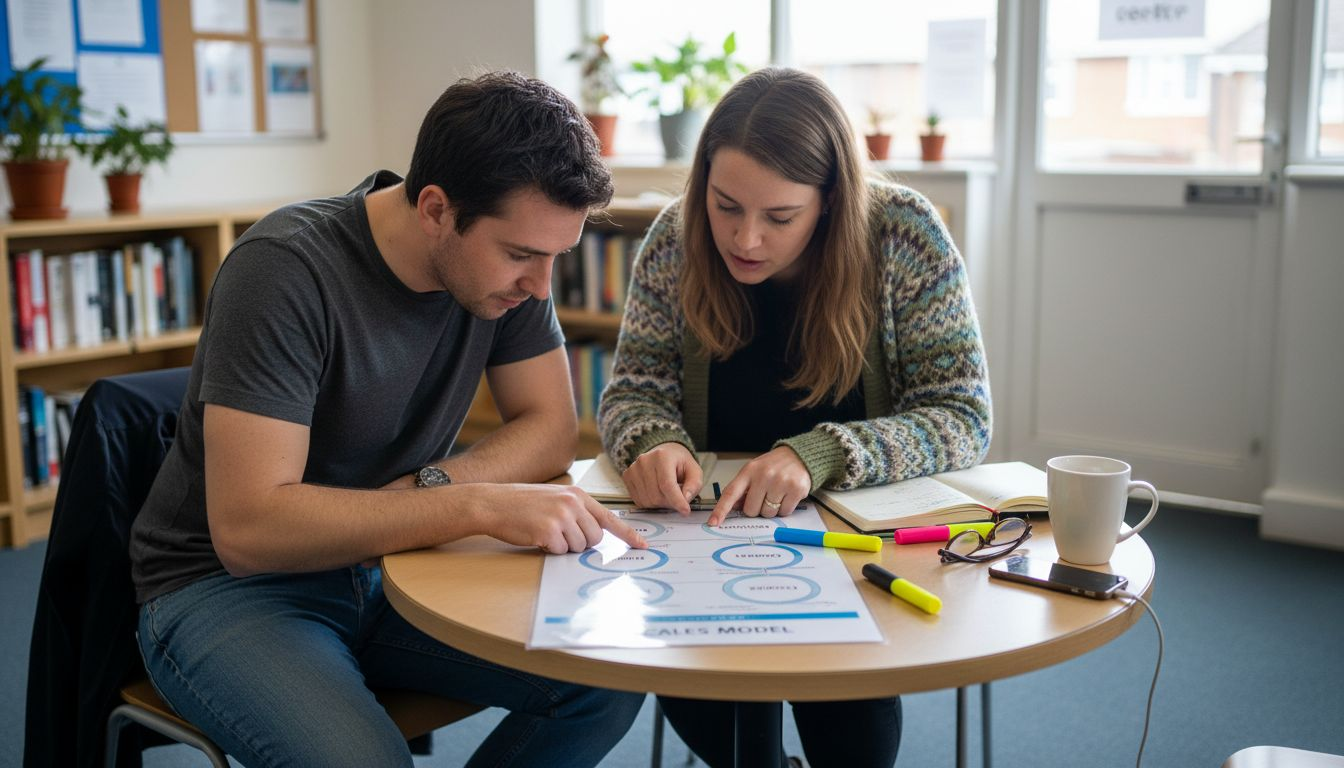
Each SCALES component offers specific strategies for personal development. The Active pillar encourages physical movement that supports mental health, the Listen element promotes self-awareness and emotional intelligence, and the Earth dimension explores grounding techniques and environmental connection. The Social pillar recognises the critical role of relationships and community in maintaining psychological wellbeing. By addressing these six areas holistically, individuals can develop a more nuanced and comprehensive approach to personal growth and resilience.
To better understand the six SCALES pillars, here is a quick reference highlighting each dimension and its primary focus:
SCALES Pillar | Main Focus | Example Action |
Sleep | Rest and recovery | Establish a regular bedtime |
Creative | Emotional expression | Engage in artistic hobbies |
Active | Physical movement | Daily walking or exercise |
Listen | Self-awareness | Practise mindful reflection |
Earth | Environmental connection | Spend time outdoors |
Social | Relationships | Connect with friends weekly |
Pro Tip - Holistic Assessment: Conduct a monthly self-review across all six SCALES dimensions, rating your current state in each area. This simple practice helps you identify which aspects of your life need more attention and supports proactive personal development.
Who Benefits from Wellbeing Coaching UK
Wellbeing coaching offers transformative support for individuals experiencing diverse life challenges, providing a personalised pathway to improved mental and physical health. Trained professionals guide individuals through specific health and wellness interventions, helping them navigate complex personal and professional landscapes with greater confidence and clarity. This approach is particularly valuable for people feeling stuck, overwhelmed, or seeking meaningful change in their lives.
Specific groups who can significantly benefit from wellbeing coaching include professionals experiencing burnout, young adults navigating transitions, and individuals managing long-term health conditions. Health and wellbeing coaches support clients with a wide range of challenges, from persistent pain management to lifestyle modifications for chronic conditions such as diabetes and cardiovascular disease. The coaching process is particularly effective for those struggling with stress, anxiety, low mood, and individuals seeking to improve their overall quality of life through structured, goal-oriented support.
The versatility of wellbeing coaching means it can support diverse needs across different life stages. Creatives dealing with performance pressures, students managing academic stress, professionals seeking career clarity, and individuals recovering from significant life changes can all find valuable guidance. By focusing on holistic development, coaches help clients develop practical strategies for improving mental resilience, physical health, and emotional wellbeing, addressing challenges comprehensively rather than treating symptoms in isolation.
Pro Tip - Personal Readiness Check: Reflect honestly on your current life challenges and willingness to engage in personal growth. Wellbeing coaching works best when you are genuinely committed to making positive changes and open to trying new approaches to your personal development.
How a Wellbeing Coaching Session Works
A wellbeing coaching session is a collaborative and structured conversation designed to help individuals understand their current challenges and develop practical strategies for personal growth. Typical coaching sessions are carefully structured, often involving a series of meetings lasting 45-50 minutes, with each interaction focused on creating meaningful and achievable change. The process begins with an initial consultation where the coach and client establish mutual understanding and set clear, realistic objectives for their work together.
During a wellbeing coaching session, the coach employs various techniques to support the client’s self-discovery and personal development. This might involve exploring current lifestyle patterns, identifying potential barriers to progress, and developing personalised strategies using frameworks like the SCALES model. The coach acts as a supportive guide, asking powerful questions that help clients gain deeper insights into their thought processes, emotional patterns, and potential areas for improvement. Crucially, the approach is non-directive, empowering clients to generate their own solutions rather than receiving prescriptive advice.
The progression of coaching sessions typically follows a structured yet flexible approach. Initial meetings focus on comprehensive assessment, where clients articulate their current challenges, aspirations, and underlying motivations. Subsequent sessions involve developing actionable strategies, tracking progress, and making incremental adjustments. Coaches use a combination of reflective listening, goal-setting techniques, and motivational strategies to help clients build confidence, develop new skills, and create sustainable lifestyle changes. Throughout the process, the emphasis remains on empowering the individual to become their own most effective agent of change.
Pro Tip - Session Preparation: Before each coaching session, spend 15 minutes reflecting on your progress, challenges, and specific areas you want to discuss. This intentional preparation helps maximise the value and insights gained from each interaction.
Comparing Coaching, Counselling, and Therapy
Understanding the distinctions between coaching, counselling, and therapy is crucial for individuals seeking the most appropriate support for their personal development and mental health needs. While these approaches share some similarities, they differ significantly in their fundamental objectives, methodologies, and professional frameworks. Exploring different approaches to mental health support can help individuals make more informed decisions about their personal growth journey.
Counselling and therapy are typically retrospective and diagnostic, focusing on addressing past traumas, mental health conditions, and psychological healing. These approaches often involve in-depth exploration of historical experiences, emotional processing, and treating specific mental health challenges. In contrast, wellbeing coaching is forward-looking and action-oriented, concentrating on current circumstances and future potential. Coaches work with clients to identify goals, develop strategies, and create actionable plans for personal and professional development, without necessarily delving into deep-seated psychological issues.
The key differentiator lies in the approach and intended outcomes. Therapy often aims to resolve psychological distress and heal from past experiences, providing clinical interventions for mental health conditions. Counselling supports individuals through specific emotional challenges, offering short-term support and coping strategies. Wellbeing coaching, however, is designed for relatively psychologically healthy individuals seeking performance enhancement, personal growth, and practical life improvements. Coaches help clients bridge the gap between their current reality and desired future state, employing techniques that focus on motivation, accountability, and skill development.
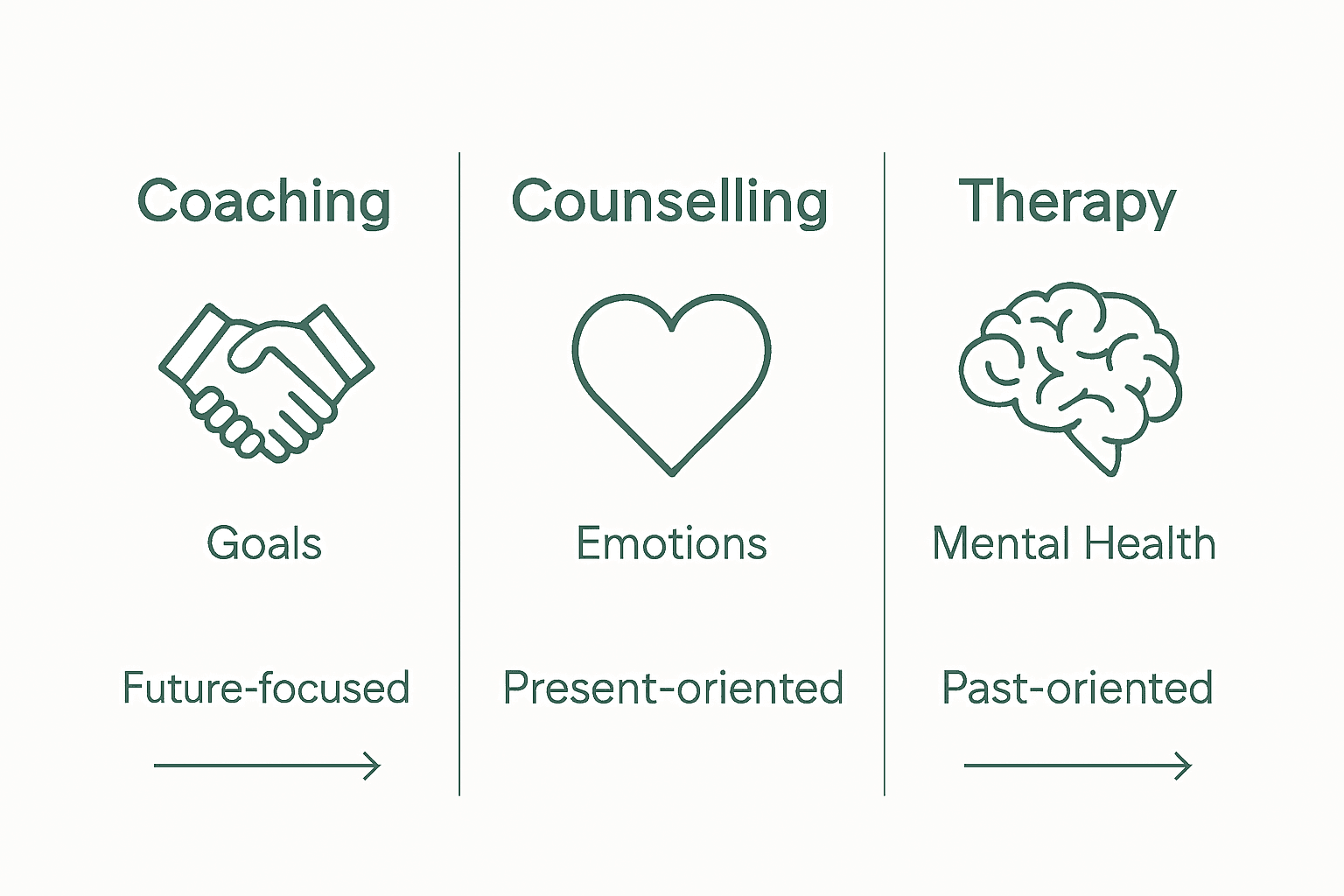
Below is a comparison table summarising the key differences between coaching, counselling, and therapy for those considering which support may be most suitable:
Approach | Primary Focus | Typical Client Needs | Professional Training |
Coaching | Future goals, action | Personal growth, motivation | Coaching accreditation |
Counselling | Emotional challenges | Coping with life changes, stress | Counselling qualification |
Therapy | Psychological healing | Mental health conditions, trauma | Clinical registration |
Pro Tip - Choosing the Right Support: Assess your current needs honestly. If you are struggling with unresolved trauma or clinical mental health issues, seek a qualified therapist or counsellor. If you are psychologically stable and seeking personal or professional development, a wellbeing coach might be the most appropriate support.
Risks, Costs, and Finding a Qualified Coach
Navigating the landscape of wellbeing coaching requires careful consideration of potential risks, understanding associated costs, and identifying truly qualified professionals who can provide meaningful support. While coaching offers significant personal development opportunities, it is crucial to approach the process with informed decision-making and realistic expectations about potential outcomes and investment requirements.
Professional health and wellbeing coaches must complete rigorous training and ongoing supervision to ensure service quality and effectiveness. Reputable coaches typically hold recognised accreditations, such as PCI-accredited training courses, and engage in continuous professional development. When selecting a coach, individuals should verify credentials, request references, and seek professionals with demonstrable experience in their specific area of personal development. Important risk mitigation strategies include checking professional memberships, understanding the coach’s specific expertise, and ensuring they have appropriate supervision and ethical guidelines.
Costs for wellbeing coaching can vary significantly, typically ranging from £50 to £200 per session, depending on the coach’s experience, qualifications, and geographical location. Some coaches offer package deals or sliding scale pricing to improve accessibility. Potential clients should be wary of extremely low-cost options, as these might indicate limited experience or questionable professional standards. Conversely, the most expensive coaching is not always the most effective. It is essential to have an initial consultation to assess compatibility, coaching approach, and potential alignment with personal goals before committing to a long-term coaching relationship.
Pro Tip - Credential Verification: Always request and independently verify a coach’s professional qualifications, checking their membership with recognised coaching bodies and reviewing their documented training and supervision history.
Discover Practical Wellbeing Coaching for a Balanced Life
If you are feeling overwhelmed by stress or stuck in cycles of low energy and self-doubt, wellbeing coaching can offer the focused, practical support you need. This article’s emphasis on the SCALES Model highlights how balancing Sleep, Creative outlets, Activity, Listening, Earth connection, and Social ties helps transform mental and physical health from the inside out. At Tom Ryder Wellbeing, we specialise in helping people who want clear, achievable steps towards emotional resilience and everyday balance.
If you are ready to break down your health and wellbeing goals into manageable actions and want a coaching style that is honest, grounded, and informed by lived experience, explore our Mental Health and Wellbeing Coaching. Whether you seek guidance on stress management or mindful mindset shifts, our tailored sessions offer the clarity and accountability to keep you moving forward. Start your journey today with a free 15-minute consultation and see how our proven approach can help you find balance and regain control.
Frequently Asked Questions
What is wellbeing coaching?
Wellbeing coaching is a personalised approach to personal development that helps individuals create meaningful life changes through structured guidance and support. It focuses on empowering individuals to enhance their self-management capabilities and develop practical strategies for improvement across mental, emotional, and physical dimensions.
How does the SCALES model support wellbeing coaching?
The SCALES model includes six interconnected pillars: Sleep, Creative, Active, Listen, Earth, and Social. This holistic framework helps individuals assess and improve their wellness by addressing various life aspects, providing specific strategies for personal development within each dimension.
Who can benefit from wellbeing coaching?
Wellbeing coaching can benefit individuals facing diverse life challenges, including professionals experiencing burnout, young adults navigating transitions, and those managing long-term health conditions. It supports personal growth, improves resilience, and helps individuals make meaningful changes in their lives.
What can I expect from a wellbeing coaching session?
A typical wellbeing coaching session involves a collaborative discussion focused on understanding current challenges and developing actionable strategies for personal growth. Coaches employ various techniques to support self-discovery and empowerment, guiding clients through milestone achievements while ensuring the sessions stay focused and structured.
Recommended
Comments