


Role of Nature in Wellbeing – Meaningful Change for UK Lives

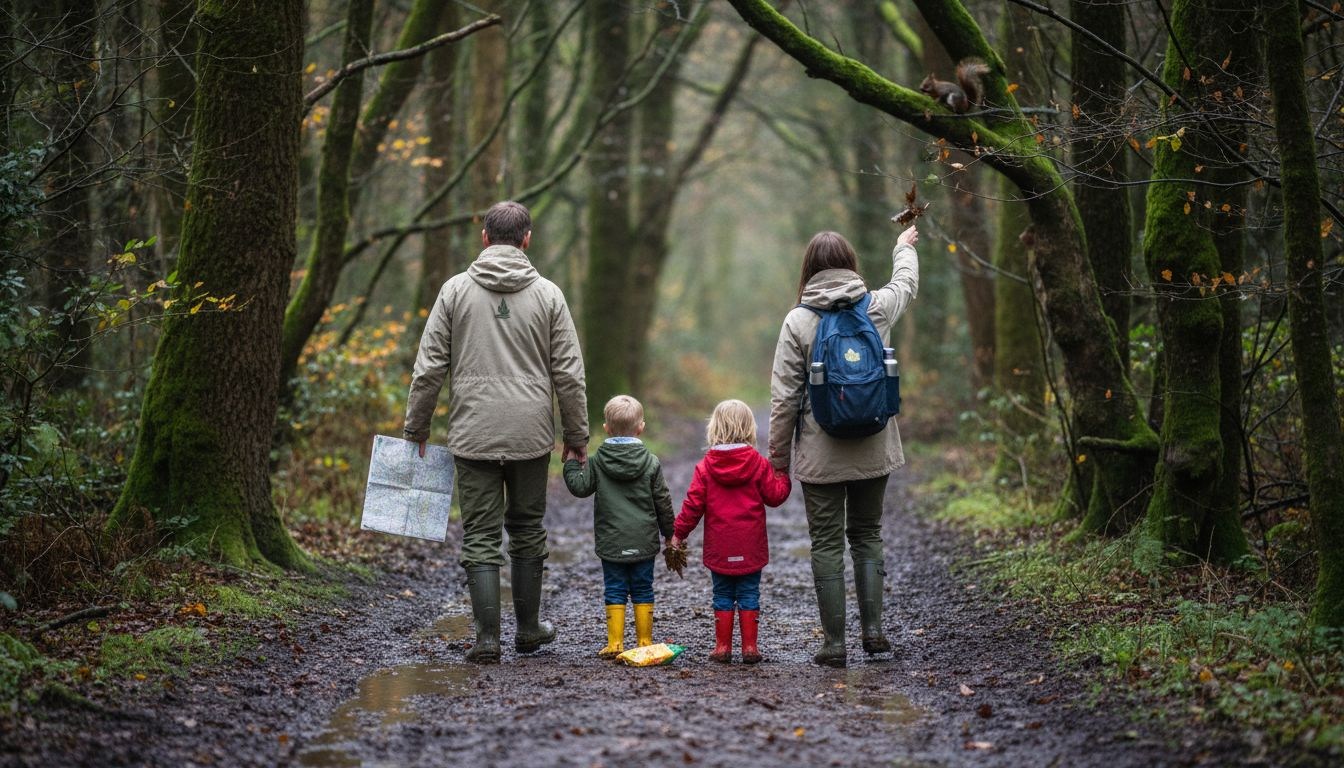
Long working hours and city living often leave British professionals feeling drained and disconnected. Amid rising burnout and persistent low mood, the quest for effective wellbeing strategies is more urgent than ever. Nature exposure is proven to significantly influence human physical and mental health, according to Frontiers in Public Health research. Explore practical approaches that harness the UK’s unique environments and holistic coaching methods to restore balance and spark meaningful change in your everyday life.
Table of Contents
Key Takeaways
Point | Details |
Nature Exposure is Essential for Wellbeing | Regular interaction with natural environments significantly enhances mental and physical health. |
Holistic Health Approaches Integrate Nature | Healthcare strategies increasingly acknowledge nature as a vital component for promoting overall wellness. |
Active Engagement Encourages Stronger Benefits | Activities like gardening and volunteering provide more profound wellbeing impacts than passive nature exposure. |
Barriers to Nature Access Must be Addressed | Inclusive strategies are necessary to ensure diverse populations can engage meaningfully with nature. |
Defining Nature’s Role in Human Wellbeing
Understanding nature’s profound impact on human wellbeing requires exploring the intricate connections between our environment and personal health. Nature exposure represents more than a simple outdoor experience - it’s a complex interaction that influences physical, mental, and emotional states.
Research indicates that contact with natural environments significantly influences human wellness. Interdisciplinary health studies reveal that nature interaction varies across multiple dimensions, including:
Proximity to green spaces
Duration of environmental interaction
Intentionality of nature exposure
Diversity of ecological environments
The characteristics of nature engagement matter profoundly. Brief interactions with urban parks, extended woodland walks, or even viewing natural landscapes through windows can trigger measurable physiological and psychological responses. These responses include reduced stress hormone levels, improved mood regulation, and enhanced cognitive functioning.
Moreover, the UK’s emerging environmental policies increasingly recognise the intrinsic link between biodiversity and human wellbeing. Holistic health approaches now consider nature not just as a backdrop, but as an active component of personal wellness strategies.
Nature is not a luxury - it is a fundamental human requirement for comprehensive wellbeing.
Critical aspects of nature’s role in wellbeing encompass psychological restoration, physical health improvements, and social connection opportunities. Different natural environments offer unique benefits, from coastal landscapes promoting relaxation to woodland settings encouraging physical activity.

Below is a summary of how different types of natural environments uniquely support wellbeing:
Environment Type | Psychological Support | Physical Health Promotion |
Urban Parks | Stress relief, mood uplift | Encourages moderate physical activity |
Coastal Landscape | Deep relaxation, mental clarity | Improved respiratory health |
Woodland Areas | Restoration, focus improvement | Promotes vigorous exercise |
Botanical Gardens | Inspiration, aesthetic pleasure | Moderate cardiovascular benefit |
Pro tip: Begin incorporating intentional nature interactions into your weekly routine, even if it means starting with a 15-minute walk in a local park or spending time near houseplants.
Types of Nature Connection and Activities
Nature connection encompasses diverse approaches that enable meaningful interactions with the natural world. Nature Connectedness Network research highlights multiple pathways through which individuals can engage with their environment, each offering unique wellbeing benefits.
These nature connection activities can be categorised into several key types:
Active Engagement activities:
Gardening
Conservation volunteering
Outdoor education programmes
Community ecological restoration projects
Passive Exposure methods:
Window views of green spaces
Urban park visits
Proximity to natural landscapes
Indoor plant cultivation
The University of Derby identifies five distinctive pathways to deeper nature connectedness, providing a framework for understanding these interactions:
Sensory Connection: Engaging direct sensory experiences with natural environments
Emotional Resonance: Developing emotional bonds with nature
Aesthetic Appreciation: Recognising beauty in natural settings
Meaningful Interactions: Creating personal significance through nature experiences
Compassionate Approach: Developing empathy and care for ecological systems
Consistent, intentional nature interactions are more beneficial than sporadic, superficial encounters.
Professional organisations like the National Trust and Wildlife Trusts have successfully implemented these pathways, designing programmes that simultaneously support mental health and environmental stewardship.
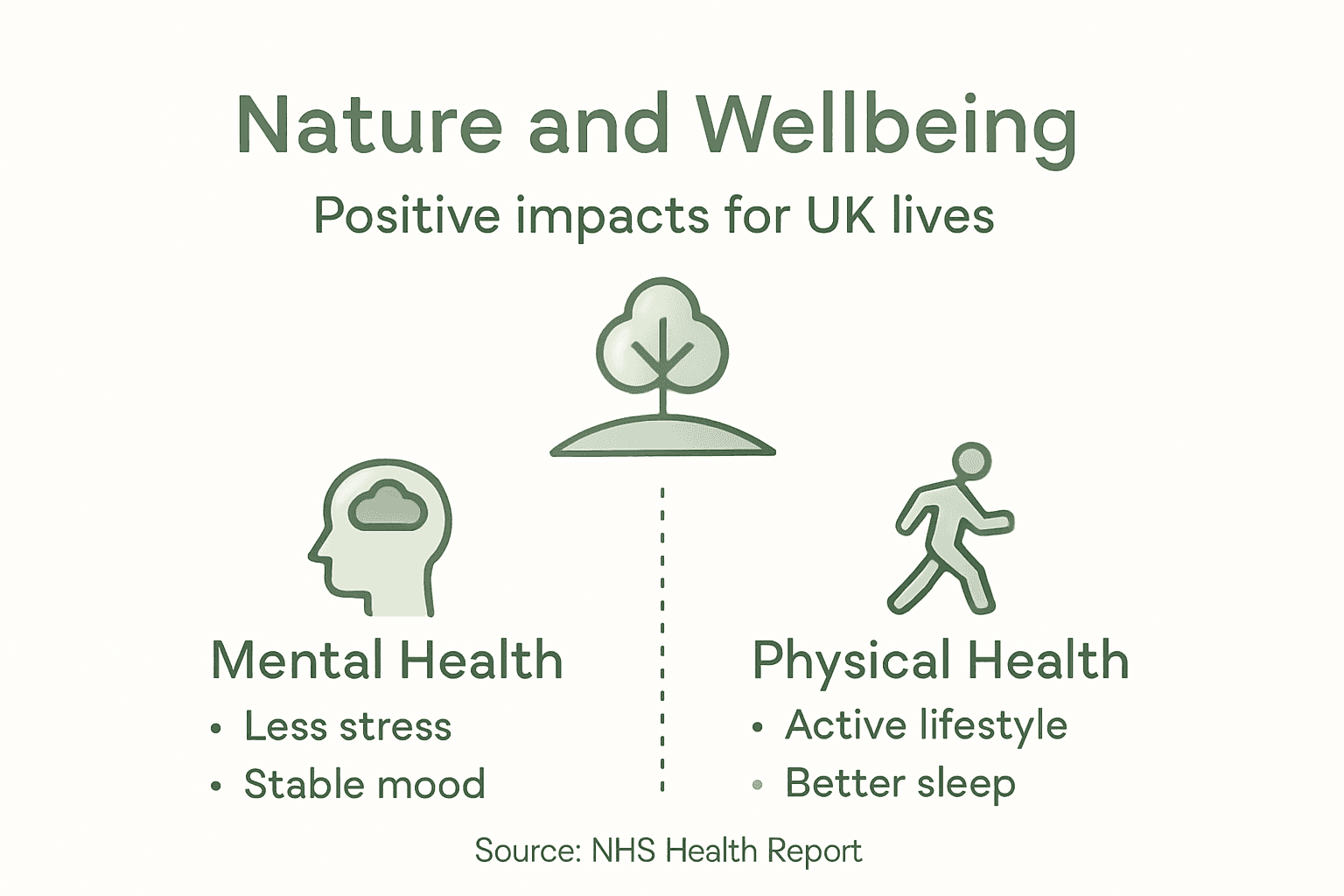
Here is a comparison of passive versus active nature connection approaches and their distinct wellbeing impacts:
Approach | Level of Engagement | Typical Activities | Wellbeing Impact |
Passive Exposure | Low | Window views, houseplants | Gentle stress reduction |
Active Engagement | High | Gardening, volunteering | Strong emotional resilience |
Pro tip: Select one nature connection pathway each month and deliberately create experiences that deepen your relationship with the natural world.
Key Benefits for Mental Health and Body
Nature-based interventions in health strategies reveal profound interconnections between environmental interactions and human wellbeing. These connections extend far beyond simple recreational activities, encompassing comprehensive physical and psychological benefits that impact multiple aspects of human health.
The key mental health benefits of nature interaction include:
Stress reduction and cortisol regulation
Enhanced mood stabilisation
Improved emotional resilience
Decreased symptoms of anxiety and depression
Increased cognitive clarity and focus
Better sleep quality
Physical health benefits are equally compelling, with nature interactions supporting:
Improved cardiovascular functioning
Enhanced immune system response
Lower blood pressure
Increased vitamin D absorption
Better respiratory health
More consistent physical activity levels
Nature provides a holistic healing environment that supports both mind and body simultaneously.
Government health strategies increasingly recognise these multifaceted benefits, with initiatives promoting green space access and nature-based therapeutic interventions. The integration of natural environments into healthcare approaches represents a progressive understanding of health that goes beyond traditional medical treatments.
Professional environments are particularly well-positioned to leverage these benefits, with emerging workplace wellness programmes incorporating nature-based stress management techniques and outdoor engagement strategies.
Pro tip: Aim to integrate at least 20 minutes of intentional nature exposure into your weekly routine, whether through walking meetings, outdoor breaks, or local park visits.
Common Barriers to Access and Inclusion
Landscape access research reveals significant challenges preventing diverse populations from engaging with natural environments across the United Kingdom. These barriers are complex, multifaceted, and deeply rooted in social, economic, and cultural structures.
The primary barriers to nature access include:
Physical Accessibility:
Limited public transportation to green spaces
Lack of wheelchair-friendly paths
Challenging terrain for older adults or individuals with mobility restrictions
Insufficient signage and navigation support
Socio-Economic Barriers:
High costs associated with outdoor equipment
Transportation expenses
Limited time due to work commitments
Financial constraints preventing leisure activities
Cultural and Psychological Barriers:
Lack of confidence in outdoor environments
Safety concerns
Limited cultural familiarity with nature experiences
Perceived exclusivity of outdoor recreational spaces
Research demonstrates that certain demographic groups experience disproportionate exclusion from natural spaces, including:
Ethnic minority communities
People with disabilities
Young people
Older adults
Lower-income urban residents
Inclusive nature access requires deliberate, systemic interventions that address multiple barrier layers.
These barriers are not merely inconveniences but represent significant challenges to individual and community wellbeing. They underscore the need for comprehensive strategies that promote equitable environmental engagement across diverse population segments.
Inclusive projects and partnerships are emerging as potential solutions, focusing on creating welcoming spaces, providing targeted support, and developing culturally sensitive nature connection programmes.
Pro tip: Research local community nature groups that offer inclusive, supportive environments for exploring green spaces, regardless of your background or experience level.
Maximising Nature’s Impact with Coaching
Nature-based coaching approaches represent a transformative strategy for personal development and mental wellness, integrating outdoor environments with professional guidance to create powerful healing experiences. This innovative methodology moves beyond traditional coaching by leveraging the inherent therapeutic qualities of natural settings.
Key components of nature-integrated coaching include:
Outdoor Session Environments:
Forest and woodland settings
Coastal and riverside locations
Urban green spaces
Rural landscapes
Botanical gardens
Coaching Techniques:
Mindfulness practices
Sensory engagement exercises
Movement-based reflections
Metaphorical landscape interpretations
Eco-systemic thinking
The potential benefits of nature-integrated coaching are extensive, supporting individuals through:
Enhanced emotional regulation
Improved stress management
Increased self-awareness
Deeper creative problem-solving
Strengthened personal resilience
Nature provides an unparalleled backdrop for personal transformation and deep introspective work.
Professional coaching that incorporates natural environments offers a holistic approach to personal development, recognising that human growth is intimately connected with our broader ecological context. This method supports not just individual healing, but also fosters a more profound connection with the natural world.
Emergent research demonstrates that outdoor coaching can significantly accelerate personal insights, providing a dynamic and immersive environment that traditional indoor settings cannot replicate.
Pro tip: Consider requesting an initial outdoor coaching consultation to experience how natural environments can enhance your personal development journey.
Harness Nature’s Power to Transform Your Wellbeing Today
The article highlights the vital role that nature plays in enhancing mental health, reducing stress, and fostering emotional resilience. If you often feel stuck, overwhelmed, or “off balance” in your daily life, incorporating nature-based approaches into your wellbeing practice could be the key to meaningful change. Understanding concepts like intentional exposure to natural environments and grounding through the Earth resonates deeply with the SCALES Model at Tom Ryder Wellbeing, which includes Earth as a core pillar for restoring harmony.
Our coaching services blend professional expertise with real lived experience to help you unlock the benefits of nature in your own life. Whether you want tailored Mental Health and Wellbeing Coaching or support managing stress with practical steps through Stress Management Coaching, we guide you to craft sustainable changes while reconnecting with nature’s healing power. Don’t wait to feel better — start your journey now by visiting Tom Ryder Wellbeing and take the first step towards a more balanced, grounded you.
Frequently Asked Questions
How does nature interaction benefit mental health?
Nature interaction can significantly reduce stress, enhance mood stability, improve emotional resilience, decrease anxiety and depression symptoms, increase cognitive clarity, and promote better sleep quality.
What types of natural environments are best for physical health?
Different natural environments like urban parks encourage moderate physical activity, coastal landscapes improve respiratory health, woodland areas promote vigorous exercise, and botanical gardens provide cardiovascular benefits through leisurely strolls.
What barriers prevent people from accessing nature?
Barriers to accessing nature include physical accessibility issues, socio-economic constraints, and cultural and psychological barriers that may affect individuals’ confidence and familiarity with outdoor environments.
How can I incorporate more nature exposure into my routine?
You can start by integrating intentional nature interactions into your weekly schedule, such as taking a 15-minute walk in a local park, spending time with houseplants, or engaging in community gardening or conservation activities.
Recommended
Comments