


Wellbeing Education: Building Mental Resilience in the UK


Over half of British students say academic stress hurts their mental health. For many young people in the United Kingdom, juggling deadlines, exam pressure, and uncertainty about the future feels draining. Wellbeing education is changing how schools and universities tackle these challenges by focusing on mental resilience and practical coping skills. Discover how building emotional intelligence and healthy habits can make a real difference when facing the unique pressures of British education.
Table of Contents
Key Takeaways
Point | Details |
Holistic Approach | Wellbeing education integrates emotional skills and resilience into the academic experience, influencing long-term personal outcomes. |
Whole-School Framework | The UK Government promotes a comprehensive framework that prioritises mental health across all dimensions of school life. |
Interconnectedness of Wellbeing and Academics | Research indicates strong emotional foundations enhance student engagement and academic performance. |
Addressing Misconceptions | Schools must recognise wellbeing as essential for academic success to improve support strategies and reduce stigma. |
Wellbeing Education Defined and Demystified
Wellbeing education represents a strategic approach to nurturing mental health that goes far beyond traditional academic learning. At its core, it aims to equip students with essential emotional skills, resilience strategies, and self-understanding that support holistic personal development.
The UK Government has established a comprehensive framework for understanding wellbeing education, particularly within educational settings. Mental health support in schools and colleges now emphasizes a whole-school approach that integrates mental health across multiple dimensions. This approach recognises that wellbeing is not a standalone subject, but an intrinsic part of educational experience that influences learning, social interactions, and long-term personal outcomes.
Wellbeing education encompasses several critical elements that work together to support student mental health:
Emotional Intelligence: Developing skills to recognise, understand, and manage emotions
Stress Management: Teaching practical techniques for handling academic and personal pressures
Resilience Building: Creating frameworks to bounce back from challenges and setbacks
Self-Care Strategies: Promoting healthy lifestyle choices that support mental wellness
Social Connection: Encouraging supportive relationships and communication skills
Pro tip: Start integrating small wellbeing practices into your daily routine, such as five minutes of mindful breathing or journaling, to build emotional awareness and resilience.
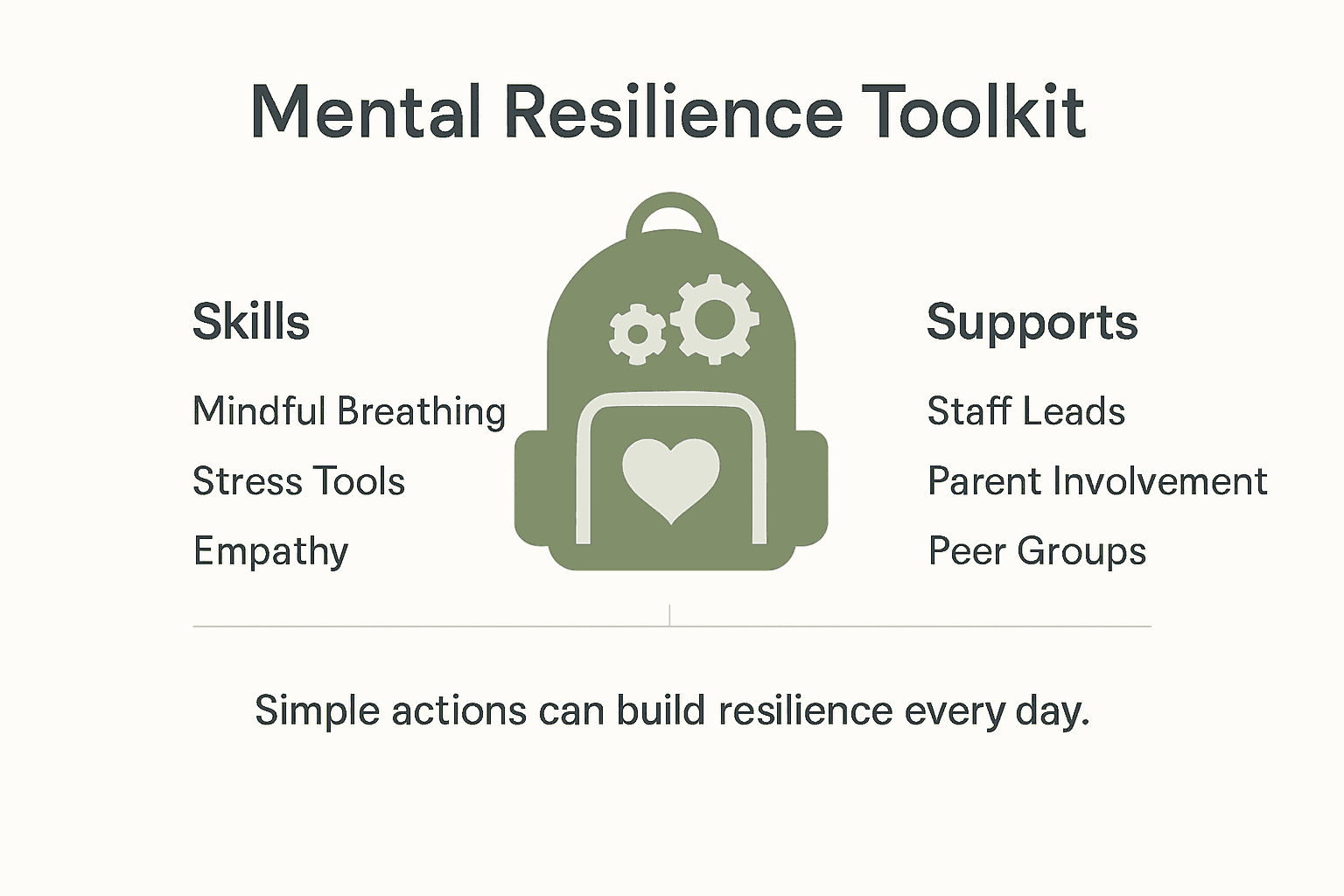
Key Components of Wellbeing Education
Understanding the key components of wellbeing education requires a comprehensive approach that addresses multiple dimensions of student mental health and personal development. Whole school approaches to mental health reveal eight critical principles that form the foundation of effective wellbeing strategies in educational settings.
These principles encompass a holistic framework that goes beyond traditional academic learning. Key components include:
Leadership and Management: Establishing clear commitment from school leadership to prioritise mental health
Promoting Ethos and Environment: Creating a supportive, inclusive school culture that values emotional wellbeing
Curriculum Integration: Embedding social and emotional learning within academic teaching
Staff Development: Providing training and support for educators to recognise and address mental health needs
Student Voice: Actively involving students in shaping wellbeing strategies
Monitoring and Impact Assessment: Regularly evaluating the effectiveness of wellbeing interventions
Targeted Support: Developing specialised resources for students with specific mental health requirements
Parental and Carer Engagement: Collaborating with families to support student mental health
Successful wellbeing education requires a coordinated, multi-layered approach that recognises the interconnected nature of mental, emotional, and social development. By addressing these components comprehensively, schools can create a supportive ecosystem that nurtures student resilience and emotional intelligence.

Pro tip: Develop a personal wellbeing toolkit that includes specific strategies for stress management, emotional regulation, and self-care.
UK Approaches and Whole-School Models
The United Kingdom has developed a sophisticated and comprehensive approach to mental health and wellbeing in educational settings. Whole school frameworks for mental health support represent a strategic model that goes beyond traditional reactive interventions, focusing instead on creating holistic, preventative environments that support student mental health.
These approaches are characterised by several key strategic elements:
Universal Support: Designing interventions that benefit all students, not just those with identified challenges
Targeted Interventions: Providing specialised support for students with specific mental health needs
Integrated Culture: Embedding wellbeing principles across all aspects of school life
Leadership Commitment: Ensuring senior leadership actively champions mental health strategies
Collaborative Partnerships: Working with families, local services, and mental health professionals
Continuous Evaluation: Regularly assessing and adapting mental health support mechanisms
The government’s approach emphasises a structured yet flexible framework where schools appoint senior mental health leads to coordinate comprehensive wellbeing strategies. This model recognises that mental health support is not a one-size-fits-all solution, but a nuanced, evolving process that requires ongoing commitment and adaptation.
Here is a summary of how various whole-school wellbeing models contribute to mental health support in UK educational settings:
Approach Type | Main Focus | Strengths | Challenges |
Universal Support | Benefits all pupils | Inclusive and preventative | Resource-intensive |
Targeted Interventions | Supports specific needs | Personalised strategies | Risk of singling out pupils |
Integrated Culture | Embeds wellbeing principles | Consistency across environment | Requires commitment from all |
Collaborative Partnerships | Involves families and agencies | Broader support system | Coordination complexity |
Pro tip: Develop a personal mental health awareness toolkit that helps you recognise early signs of stress and implement proactive coping strategies.
How Wellbeing Supports Academic Success
Understanding the intricate connection between student wellbeing and academic performance reveals a profound relationship that extends far beyond traditional learning metrics. Comprehensive research on school wellbeing initiatives demonstrates that mental and emotional health are fundamental drivers of educational achievement.
Key mechanisms through which wellbeing supports academic success include:
Emotional Regulation: Helping students manage stress and anxiety more effectively
Motivation Enhancement: Building intrinsic drive and self-belief
Concentration Improvement: Reducing mental barriers that disrupt learning
Resilience Development: Teaching strategies to overcome academic challenges
Social Skills Advancement: Facilitating better peer and teacher interactions
Self-Confidence Building: Encouraging positive self-perception and learning attitudes
The evidence suggests that students with strong emotional foundations are more likely to engage deeply with academic content, participate actively in classroom discussions, and maintain consistent performance. Wellbeing education creates a supportive environment where learning becomes not just an intellectual exercise, but a holistic personal growth experience.
Pro tip: Create a daily mindfulness routine that helps you reset emotional states and maintain focus during challenging academic periods.
Challenges and Common Misconceptions
Navigating the landscape of wellbeing education requires understanding the significant barriers and misconceptions that often impede effective implementation. Whole school approaches to mental health and wellbeing implementation reveal complex challenges that schools and educational institutions must address.
Key challenges and misconceptions include:
Resource Limitations: Insufficient funding and time allocated for comprehensive wellbeing programmes
Staff Training Gaps: Inadequate preparation and support for educators to deliver mental health interventions
Measurement Difficulties: Challenges in quantifying and evaluating wellbeing programme effectiveness
Stigma and Misunderstanding: Persistent negative perceptions about mental health discussions
Isolated Approach: Treating wellbeing as a separate initiative rather than an integrated educational strategy
Leadership Inconsistency: Lack of sustained commitment from senior educational leadership
These challenges stem from a fundamental misunderstanding that wellbeing education is a peripheral concern rather than a core component of academic success. Schools must shift from viewing mental health support as an optional add-on to recognising it as an essential foundation for learning and personal development.
This table compares common misconceptions in wellbeing education with the realities faced by schools:
Misconception | Reality | Impact on Implementation |
Wellbeing is an add-on | Central to educational success | Lower prioritisation |
Only specialist staff involved | All staff play a vital role | Training gaps persist |
Easy to measure progress | Wellbeing outcomes are complex | Difficulty in evaluating progress |
Stigma is no longer an issue | Mental health stigma still exists | Reduces open discussions |
Pro tip: Develop a collaborative approach by creating cross-departmental teams dedicated to implementing and monitoring wellbeing strategies.
Build Lasting Mental Resilience with Expert Wellbeing Coaching
The article highlights the vital role of wellbeing education in fostering emotional intelligence, resilience, and stress management skills within UK schools. If you find yourself or someone you care about struggling with similar challenges such as constant stress, anxiety, or feeling “off balance” in life, Tom Ryder Wellbeing offers practical, compassionate support designed to help you take control. Our coaching is grounded in real lived experience and professional training, blending proven methods with the UK whole-school approach principles to build sustainable mental health.
Explore tailored programmes like Emotional Resilience Coaching and Stress Management Coaching that focus on creating clear, actionable routines based on the SCALES Model. Take your first confident step toward balance today with a free consultation. Visit Tom Ryder Wellbeing to learn how to transform wellbeing education insights into real life positive change.
Frequently Asked Questions
What is wellbeing education?
Wellbeing education is a strategic approach that focuses on nurturing mental health and developing emotional skills, resilience strategies, and self-understanding. It aims to integrate these aspects into the overall educational experience.
How does wellbeing education support academic success?
Wellbeing education enhances academic success by improving emotional regulation, motivation, concentration, resilience, social skills, and self-confidence, creating a supportive environment for learning.
What are the key components of a successful wellbeing education programme?
Successful wellbeing education programmes include leadership commitment, promoting a supportive culture, curriculum integration, staff development, student involvement, monitoring effectiveness, targeted support, and parental engagement.
What challenges does wellbeing education face in schools?
Challenges in implementing wellbeing education include resource limitations, training gaps for staff, difficulties in measuring effectiveness, enduring stigma around mental health, isolation of wellbeing initiatives, and inconsistent leadership commitment.
Recommended
Whole Body Health: Transforming Movement And Longevity
Comments