


Mindset Coaching: Why It Transforms Your Wellbeing


Most british adults have heard of mindset coaching, yet only a small fraction understand what it really means or how it differs from therapy. In a world where personal development is more accessible than ever, misconceptions still hold many people back. Understanding what mindset coaching truly offers can open doors to greater confidence, resilience, and professional success. This guide unpacks what sets mindset coaching apart and dispels some of the most persistent myths, so you can make informed choices about your own growth.
Table of Contents
Key Takeaways
Point | Details |
Mindset Coaching Definition | Mindset coaching is a collaborative approach focused on overcoming psychological barriers to unlock personal potential and foster growth. |
Key Benefits | It enhances mental resilience, emotional wellbeing, and adaptive thinking, transforming challenges into growth opportunities. |
Difference from Therapy | Unlike therapy, which explores past traumas, mindset coaching is action-oriented, focusing on future goals and personal development strategies. |
Choosing a Coach | When selecting a mindset coach, ensure they have professional credentials, evidence-based expertise, and the ability to foster a supportive, trusting relationship. |
Mindset Coaching Defined and Common Myths
Mindset coaching represents a transformative approach to personal development that goes far beyond traditional therapy or advice-giving. At its core, mindset coaching is a collaborative process designed to help individuals recognise and overcome psychological barriers that prevent them from achieving their full potential. Evidence-based approaches like Cognitive Behavioural Therapy integrate seamlessly into this practice, enabling clients to develop more adaptive thinking strategies.
Contrary to popular misconceptions, mindset coaching is not reserved for individuals experiencing significant mental health challenges. Instead, it provides powerful tools for anyone seeking personal growth, professional advancement, or improved emotional resilience. Many people mistakenly believe coaching is exclusively for those who are ‘broken’ or struggling, when in reality it empowers individuals to discover answers within themselves.
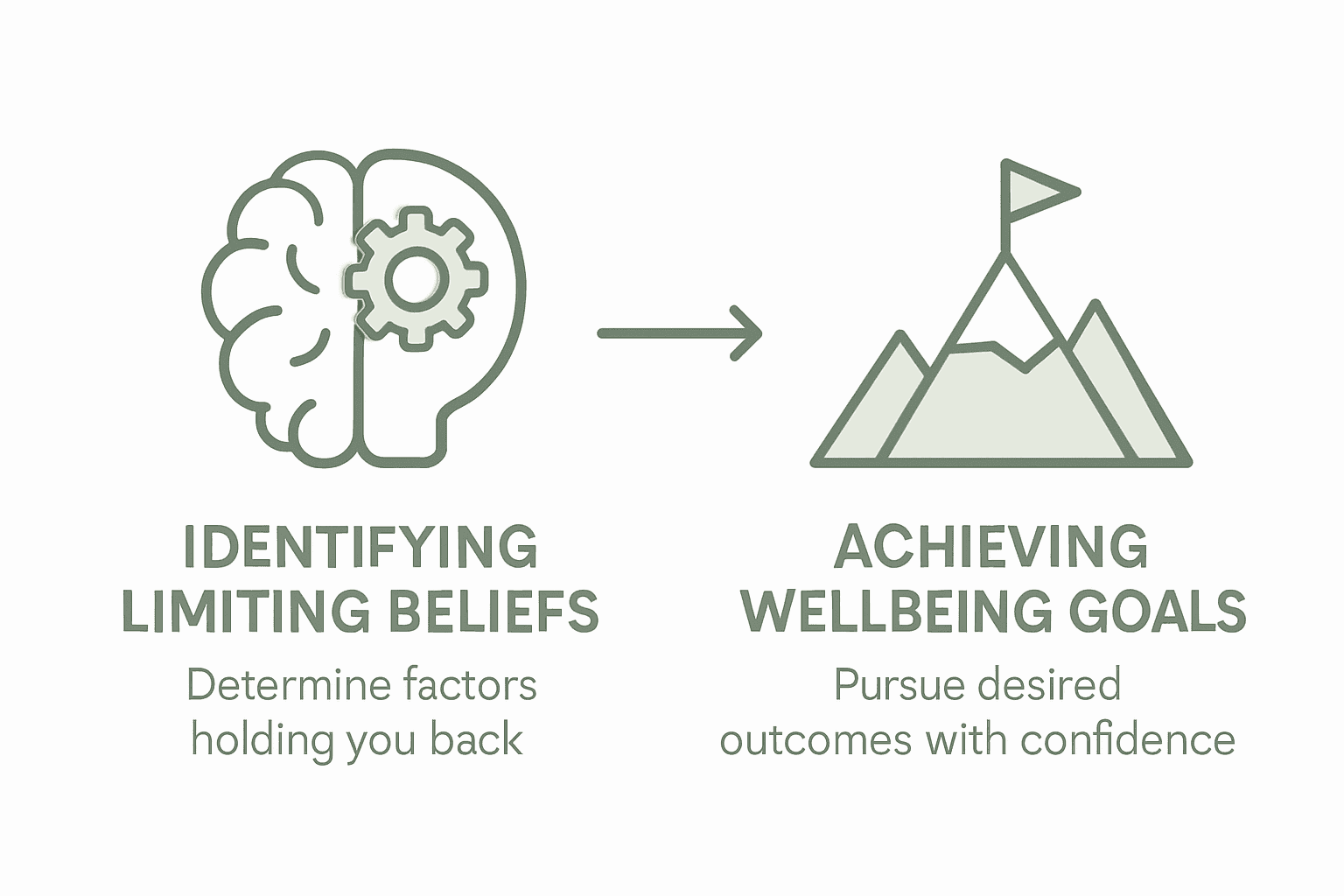
The fundamental goal of mindset coaching involves identifying and transforming limiting beliefs that unconsciously restrict personal progress. Coaches work collaboratively with clients to challenge unproductive thought patterns, helping them develop more constructive mental frameworks. This process typically involves techniques such as reframing negative experiences, setting clear goals, and developing practical strategies for overcoming psychological obstacles.
Pro Tip for Personal Growth: Start small by identifying one recurring negative thought pattern and consciously challenge its validity. Practice reframing this thought from a perspective of opportunity and personal development, noting how this mental shift impacts your emotional state and potential actions.
Key Benefits for Mental Health and Wellbeing
Mindset coaching offers profound benefits for mental health by providing structured, personalised strategies to enhance emotional resilience and psychological wellbeing. The process goes beyond traditional therapeutic approaches, focusing on proactively developing mental strength and adaptive thinking patterns. Understanding resilience becomes crucial in navigating life’s complex challenges, enabling individuals to transform potential setbacks into opportunities for growth.
One significant benefit of mindset coaching is its ability to reshape negative thought patterns that undermine personal confidence and emotional stability. By systematically challenging limiting beliefs, individuals learn to reframe challenges, develop more constructive perspectives, and build psychological flexibility. This approach empowers people to develop a growth mindset, where difficulties are viewed as learning experiences rather than insurmountable obstacles.

Mindset coaching also supports emotional regulation and stress management by teaching practical techniques for managing anxiety, processing complex emotions, and maintaining psychological equilibrium. Clients learn evidence-based strategies for maintaining mental clarity, developing emotional intelligence, and creating sustainable personal development frameworks. These skills prove invaluable in both professional and personal contexts, helping individuals navigate complex interpersonal dynamics and maintain psychological wellbeing.
Pro Tip for Mental Resilience: Practice daily micro-reframing by consciously identifying one negative thought and deliberately transforming it into a constructive, solution-oriented perspective. This small habit can progressively rewire neural pathways towards more positive, adaptive thinking patterns.
Mindset Coaching Versus Therapy and Counselling
Mindset coaching represents a distinctive approach to personal development that fundamentally differs from traditional therapy and counselling. Coaching is primarily focused on understanding and overcoming limiting beliefs through a future-oriented perspective, whereas therapeutic interventions typically explore past experiences and address diagnosed mental health conditions.
While therapy often delves into deep psychological analysis and healing past traumas, mindset coaching is action-driven and solution-focused. The core distinction lies in methodology: therapy tends to be retrospective, examining root causes of psychological challenges, whereas coaching concentrates on practical strategies for personal growth, goal achievement, and developing robust psychological resilience. Wellbeing coaching provides a non-clinical, person-centred approach that supports mental performance and self-understanding.
Mindset coaching does not require a formal mental health diagnosis and is accessible to individuals seeking proactive personal development. It empowers clients to build self-awareness, develop adaptive thinking patterns, and create personalised strategies for navigating life’s complexities. Unlike therapeutic interventions that might focus on treating specific psychological conditions, coaching aims to enhance overall life satisfaction, professional effectiveness, and personal potential.
Here is a concise comparison of mindset coaching, therapy, and counselling to clarify their distinct purposes and methods:
Aspect | Mindset Coaching | Therapy/Counselling |
Focus | Future goals & strategies | Past experiences & root causes |
Typical Approach | Action-oriented sessions | Reflective, analytical discussions |
Suitable For | Personal growth seekers | Individuals with mental health needs |
Required Diagnosis | Not necessary | Often required |
Pro Tip for Personal Transformation: Reflect on your current goals and challenges, and consider whether you need healing from past experiences (therapy) or strategic support for future growth (mindset coaching). Understanding this distinction can help you choose the most appropriate support for your personal development journey.
Typical Process and Practical Outcomes
Mindset coaching follows a structured yet personalised approach designed to facilitate meaningful personal transformation. Evidence-based techniques like Cognitive Behavioural Therapy provide the foundation for teaching clients adaptive thinking strategies, enabling individuals to develop more constructive mental frameworks and overcome psychological barriers.
The typical coaching journey begins with a comprehensive exploration of the client’s current challenges, goals, and underlying thought patterns. Coaches work collaboratively to identify limiting beliefs, create targeted interventions, and develop practical strategies for personal growth. This process creates a safe space for individuals to address work-related stress, navigate professional transitions, and build essential psychological skills, ultimately enhancing self-awareness and emotional resilience.
Practical outcomes of mindset coaching extend far beyond temporary emotional relief. Clients typically experience significant improvements in personal confidence, professional effectiveness, and overall life satisfaction. These outcomes manifest through tangible changes such as more effective communication, improved stress management, clearer goal-setting abilities, and a more proactive approach to personal and professional challenges. The emphasis remains on developing sustainable, actionable strategies that clients can independently apply long after their coaching engagement concludes.
Pro Tip for Personal Progress: Document your initial emotional state, key challenges, and primary goals before beginning mindset coaching. Create a personal baseline that allows you to objectively track your psychological and professional development throughout the coaching journey.
Who Benefits Most From Mindset Coaching
Mindset coaching offers transformative support for individuals experiencing significant personal or professional transitions, particularly those seeking practical strategies for navigating complex life challenges. Professionals facing burnout, career uncertainty, or persistent self-doubt stand to gain substantial benefits from this targeted approach to personal development.
Certain groups find mindset coaching especially powerful. Young professionals struggling with imposter syndrome, creatives battling performance anxiety, entrepreneurs navigating business uncertainties, and individuals experiencing persistent stress or emotional stagnation can all discover profound value. The coaching process provides a structured framework for understanding personal barriers, developing adaptive thinking patterns, and creating actionable strategies for meaningful change.
Individuals demonstrating specific psychological readiness tend to derive maximum value from mindset coaching. These are people who possess genuine motivation for personal growth, willingness to challenge existing thought patterns, and openness to implementing practical strategies. The most successful coaching relationships emerge when clients approach the process with curiosity, commitment to self-reflection, and a proactive attitude towards personal transformation. This intrinsic motivation becomes the catalyst for sustainable psychological and professional development.
To better understand who benefits most from mindset coaching, see this summary of ideal client characteristics:
Characteristic | Description |
Motivation for Growth | Demonstrates strong desire for self-improvement |
Openness to Change | Willing to challenge beliefs and habits |
Commitment Level | Ready to engage and take responsibility |
Psychological Readiness | Curious, self-reflective, solution-focused |
Pro Tip for Coaching Readiness: Conduct an honest self-assessment of your current motivation levels and openness to change. Effective mindset coaching requires genuine commitment to personal growth and a willingness to step outside your comfort zone.
Choosing a Qualified Mindset Coach in the UK
Professional credentials are crucial when selecting a mindset coach, with the most effective practitioners demonstrating expertise in evidence-based psychological approaches. Look for coaches trained in established methodologies such as Cognitive Behavioural Therapy, Acceptance and Commitment Therapy, or Positive Psychology, which provide scientifically validated frameworks for personal transformation.
Qualified mindset coaches should offer a comprehensive, person-centred approach that transcends generic motivational techniques. They create a confidential, supportive environment where individuals can develop practical strategies for mental health and performance. Key indicators of a reputable coach include professional accreditations, ongoing training, demonstrable experience in helping clients overcome specific challenges, and a transparent approach to their coaching methodology.
Beyond formal qualifications, the right mindset coach should demonstrate an ability to build genuine rapport and trust. This involves active listening skills, empathy, and a commitment to understanding each client’s unique psychological landscape. Potential clients should seek coaches who offer initial consultations, clearly communicate their approach, and show a genuine passion for facilitating personal growth and psychological resilience.
Pro Tip for Coach Selection: Schedule initial consultations with multiple coaches to assess their communication style, professional approach, and personal compatibility. Trust your intuition and choose a coach who not only has the right credentials but also makes you feel genuinely understood and supported.
Transform Your Wellbeing with Expert Mindset Coaching
The article uncovers how mindset coaching challenges limiting beliefs and builds emotional resilience to transform mental wellbeing. Many people struggle with feeling overwhelmed, stuck in negative thought patterns, or uncertain about how to move forward in their personal and professional lives. These common issues resonate strongly with the real-life challenges addressed at Tom Ryder Wellbeing where we focus on practical change through the SCALES Model. Our approach supports those coping with anxiety, burnout, low mood, and the need for clearer direction by breaking down goals into manageable steps and balancing key areas of life such as Sleep, Creativity, and Social connection.
If you are ready to shift your mindset, overcome self-doubt, and develop sustainable wellbeing habits, Mindset Coaching UK could be your next step. Tom Ryder combines professional expertise and lived experience to offer coaching that is honest, grounded, and actionable. Discover how personalised coaching helps you develop themes from the article such as reframing setbacks and building psychological flexibility. Begin your transformation today by visiting Tom Ryder Wellbeing or explore our Mental Health and Wellbeing Coaching services for tailored support. Take the choice to move from feeling stuck to feeling balanced with a skilled professional guiding you.
Frequently Asked Questions
What is mindset coaching?
Mindset coaching is a collaborative process aimed at helping individuals recognise and overcome psychological barriers that hinder their personal and professional growth. This approach focuses on transforming limiting beliefs and developing adaptive thinking strategies.
How does mindset coaching benefit mental health?
Mindset coaching enhances mental health by providing structured strategies to improve emotional resilience and psychological wellbeing. It empowers individuals to reshape negative thought patterns, develop emotional regulation skills, and navigate complex life challenges more effectively.
How is mindset coaching different from therapy?
Mindset coaching focuses primarily on future goals and practical strategies for personal growth, while therapy often explores past experiences and addresses diagnosed mental health conditions. Coaching is action-driven and solution-focused, making it accessible to individuals seeking proactive personal development.
Who is suitable for mindset coaching?
Mindset coaching is beneficial for anyone seeking to overcome personal or professional challenges, particularly individuals facing transitions like burnout, career uncertainty, or self-doubt. Those with motivation for growth and openness to change tend to derive the most value from the coaching process.
Recommended
Comments